Addressing Cultural Bias and Bullying in Schools
Talking about mental health remains difficult for many parents. Understanding the reasons behind this silence can help families build stronger relationships, reduce stigma, and create safe spaces where children feel heard and supported.
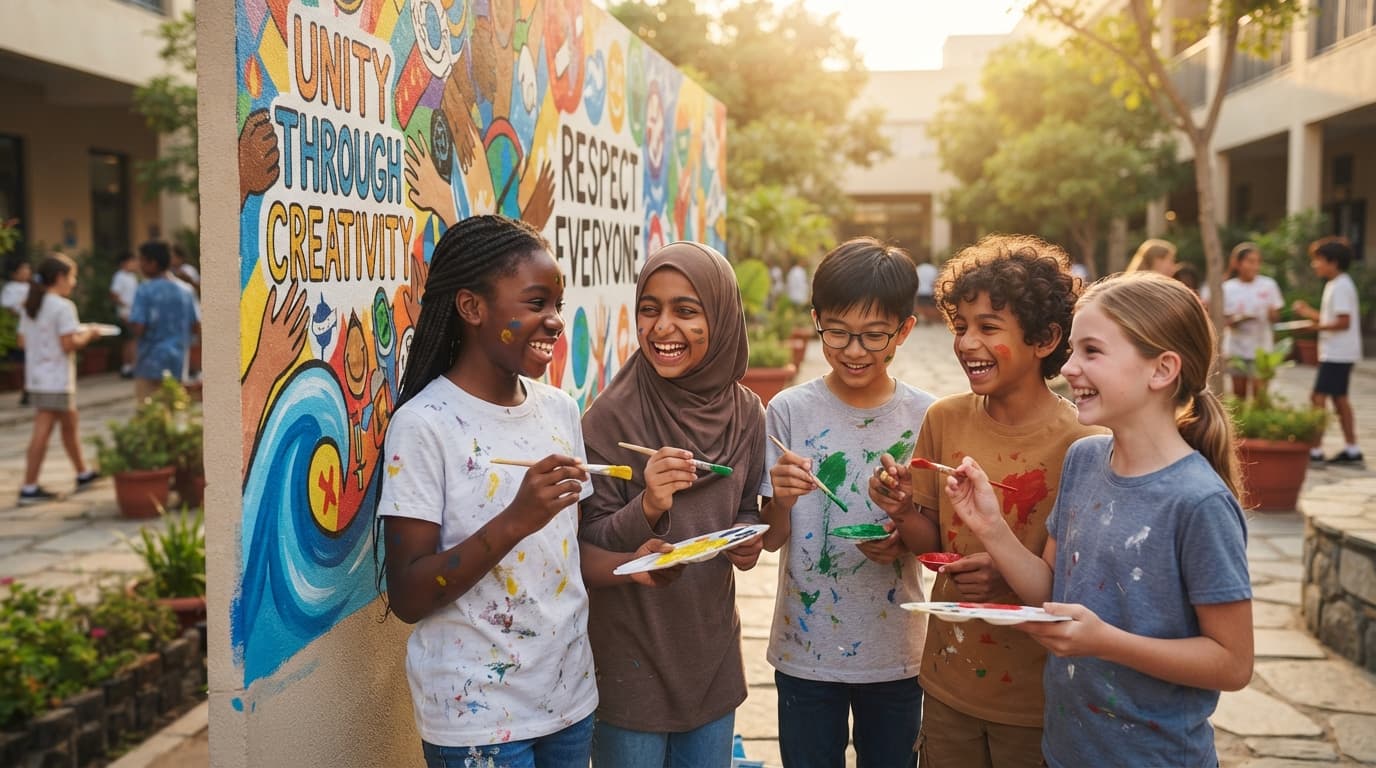
All children should feel safe, respected, and valued at school. However, many students from ethnic minority, migrant, or refugee backgrounds may face cultural bias, discrimination, or bullying at school. These experiences can impact their academic success, confidence, mental health, and sense of belonging.
Bullying should never be seen as just a normal part of growing up. When it is driven by prejudice or cultural misunderstanding, it can be even more harmful. Addressing cultural bias and bullying takes more than reacting to single incidents. Schools, families, and communities need to work together to create places where every child can succeed.
Understanding Cultural Bias
Cultural bias happens when assumptions, behaviours, or systems unfairly favour one cultural group over others. In schools, this can show up in subtle ways, like having low expectations for some students, using stereotypes about language or behaviour, leaving some children out of peer groups, or teaching a curriculum that does not reflect the classroom's diversity.
Children often pick up attitudes from the people and environment around them. If we do not make a clear effort to promote inclusion and respect, unconscious bias can affect friendships, classroom interactions, and even how discipline is handled.
UNESCO says that inclusive education is essential to ensure every student has an equal chance to take part and succeed, no matter their background. Schools that value diversity help reduce prejudice and make students feel like they belong. UNESCO Global Education Monitoring Report and guidance on inclusive education.
The Impact on Children
Bullying because of race, ethnicity, language, culture, or religion can have long-term effects.
UNICEF research shows that over one in three students around the world are bullied, making it a major threat to children's well-being. Kids who are bullied are more likely to feel anxious, depressed, lonely, do worse in school, and miss more classes.
The Education Endowment Foundation also points out that when students feel they belong at school, their well-being, engagement, and learning outcomes improve.
If children feel left out because of who they are, they may not feel confident joining in with learning or social activities.
Building Inclusive Schools Together
Everyone has a role to play in making schools inclusive.
School leaders can support inclusion by setting clear anti-bullying rules, using restorative practices, training staff in cultural awareness, and making sure teaching materials show a range of histories, cultures, and viewpoints.
Teachers are just as important. Small actions, like learning to say students' names correctly, celebrating cultural events with respect, challenging stereotypes, and encouraging respectful discussions in class, can make a big difference in how children feel at school.
Parents have an important role too. Open conversations with children about kindness, empathy, identity, and respect help them notice and challenge prejudice before it turns into harmful behaviour. Parents should also feel comfortable working with schools when issues come up, since partnership is often the best way to create positive change.
Community organisations, faith groups, and youth services can help by creating protected areas where children build confidence, celebrate who they are, and make friends with others from different backgrounds.
Creating Schools Where All Children Belong
Dealing with cultural bias and bullying is not about blaming anyone. It is about building understanding.
Children do best when they feel accepted, respected, and valued for who they are. When parents, teachers, and communities work together, they can create schools where diversity is appreciated, differences are welcomed, and every child can reach their full potential.
An inclusive school is more than just a place to learn. It is a community where all children feel they belong.
Visit www.mychildandme.uk or www.parentskills2go.org to learn more.
Tags
Enjoyed this post?
Discover more insights and join our community of parents supporting each other.