Are Schools Doing Enough to Support Emotional Development?
Academic success matters, but so does emotional well-being. As children face increasing social and emotional pressures, many parents are asking whether schools are doing enough to help them build resilience, confidence and healthy relationships.
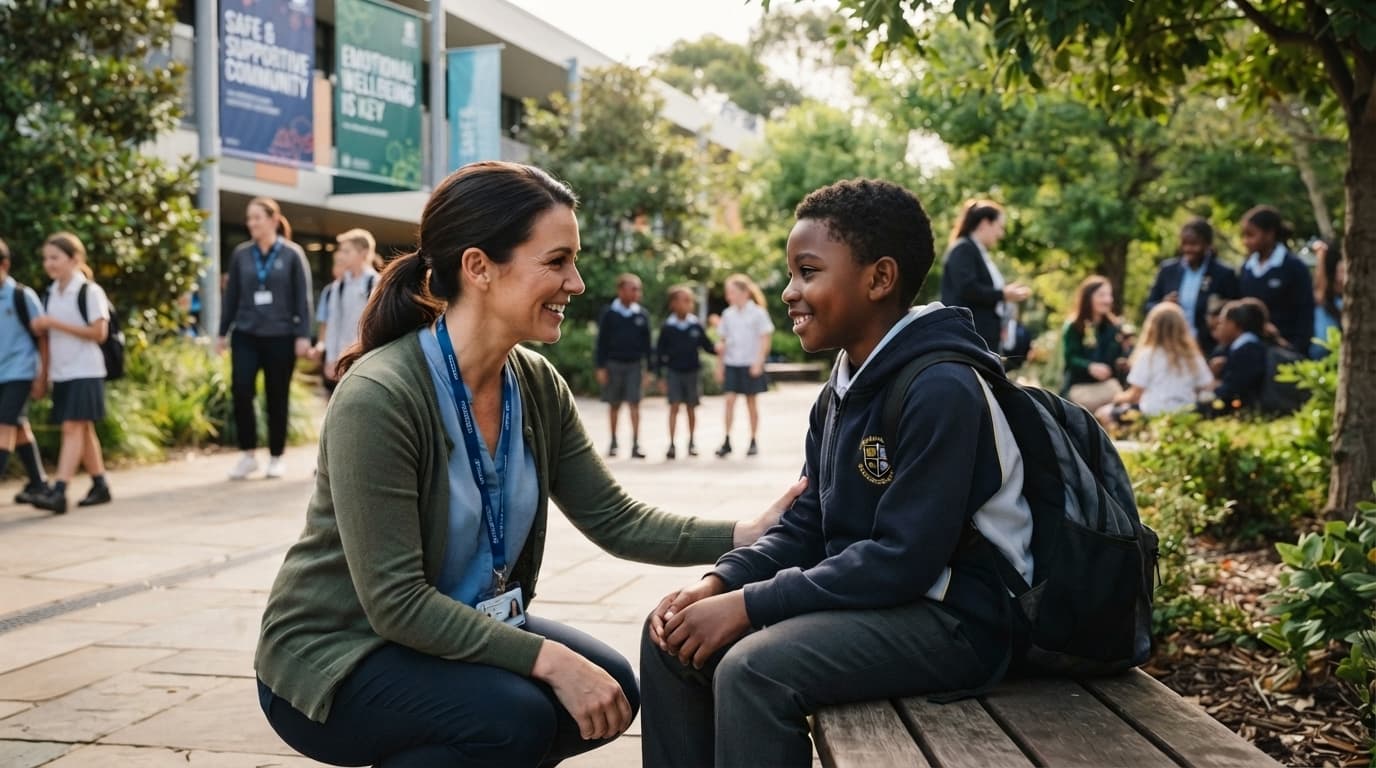
Schools are often judged by test scores, attendance, and academic results. But for many children, the lessons that truly shape their future go well beyond what happens in the classroom.
Learning to manage emotions, build good relationships, handle conflict, and deal with setbacks is just as important as learning math or reading. With more young people facing anxiety, loneliness, and emotional struggles, many parents and teachers are asking: Are schools doing enough to help children develop emotionally?
The answer is not simple. Many schools are making real progress, but emotional development still needs more focus and support.
Why Emotional Development Matters
Emotional development helps children understand their feelings, control their actions, show empathy, and make good decisions. These skills affect every part of a child's life, from learning and friendships to future jobs and overall well-being.
UNICEF says that caring environments that support children's emotional well-being are key for mental health development and long-term success. When children feel safe emotionally, they learn better, adapt more easily, and form stronger relationships.
Emotional skills are not just 'soft' skills. They are essential life skills.
Schools Are Doing More—But Challenges Remain
Many schools now see that supporting well-being is part of teaching the whole child. More schools have pastoral care teams, well-being programmes, anti-bullying efforts, and school counsellors.
But often, there is more need than support available.
The World Health Organisation estimates that one in seven adolescents aged 10–19 experiences a mental health condition, yet many remain undiagnosed or do not get the support they need. Emotional well-being challenges can affect concentration, attendance, behaviour and academic achievement.
Teachers are also expected to do more than ever. Besides teaching, they often need to spot emotional problems, handle tough behaviours, and help students dealing with trauma or anxiety, all while working with limited time and resources.
Emotional Development Is Everyone's Responsibility
Schools cannot handle this responsibility by themselves.
At the Collaborative for Academic, Social, and Emotional Learning (CASEL), it is understood that children do best when parents, teachers, and communities work together to create steady, positive environments. When home and school interact openly, children feel safer and build good emotional habits.
Parents can help their children's emotional growth by talking about feelings, showing healthy ways to handle stress, listening without judging, and guiding children to solve problems instead of fixing everything for them.
Community groups, youth clubs, and faith groups also help by giving young people safe places to build confidence, make friends, and feel like they belong.
Building Emotionally Healthy Schools
Making schools more emotionally supportive does not mean lowering academic standards. It means understanding that learning and well-being go hand in hand.
Simple steps may make a big difference:
Teaching emotional literacy together with academic subjects.
Creating classrooms in which children feel free to express themselves.
Strengthening anti-bullying and inclusion initiatives.
Equipping teachers with training in emotional well-being and trauma-informed practice.
Encouraging strong partnerships between schools, parents and local communities.
When children are supported emotionally, they are more involved, bounce back more easily, and are better able to handle life's challenges.
Looking Beyond the Report Card
A child's success is about more than just grades.
Being kind, bouncing back from setbacks, building good relationships, and managing emotions will shape a child's future long after school is over.
Schools have made good progress, but emotional development should not be seen as just an extra. It is the basis for lifelong learning, well-being, and success.
When education supports both the mind and the heart, every child has a better chance to thrive.
Visit www.mychildandme.uk or www.parentskills2go.org for more resources.
Tags
Enjoyed this post?
Discover more insights and join our community of parents supporting each other.