Can Culture and Modern Parenting Coexist?
As families navigate an increasingly multicultural world, the strongest parents blend cultural heritage with modern parenting—raising children who are confident in their identity and prepared to thrive in a diverse society.
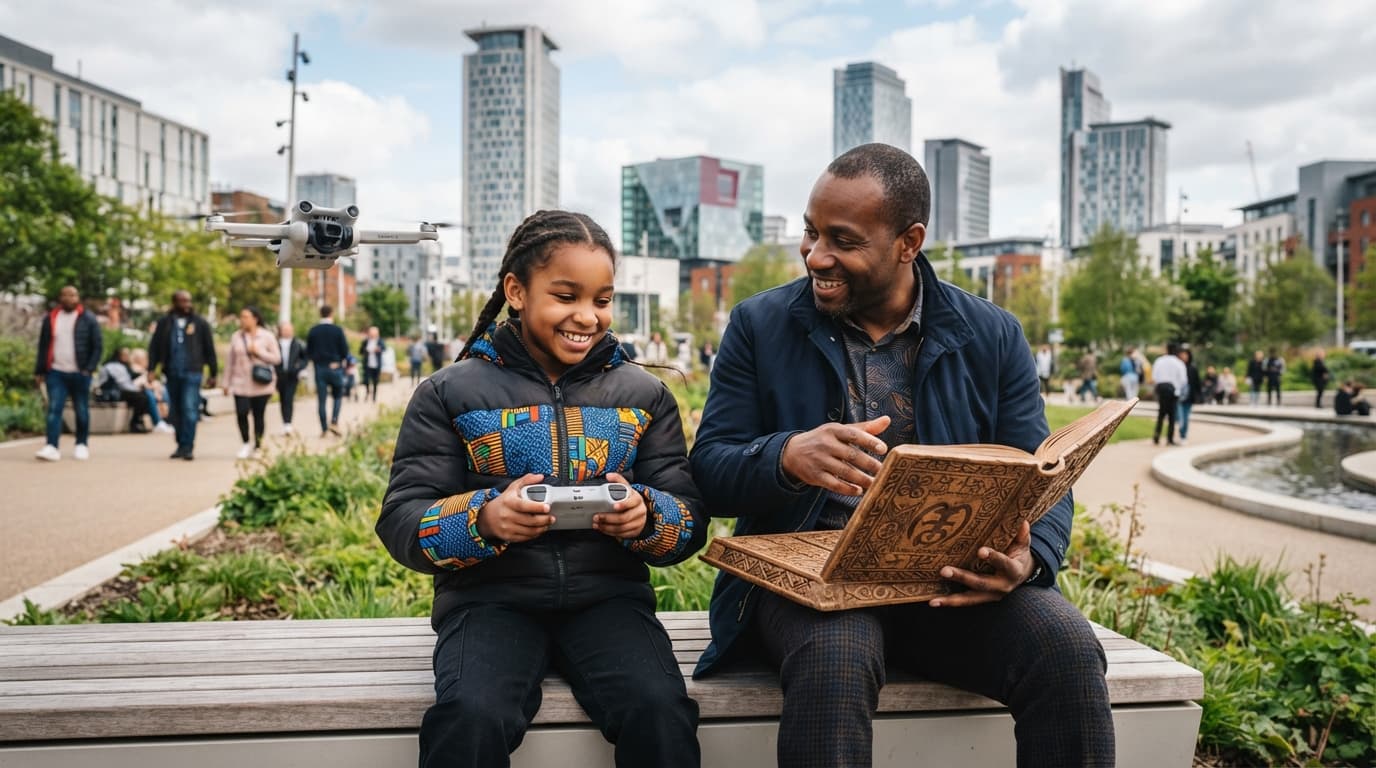
Many parents raising children in multicultural societies often feel caught between two worlds. They want to keep their traditions, language, and family values, but also feel pressure to adopt parenting styles that support independence, emotional openness, and individuality.
The good news is that culture and modern parenting can work together. When parents blend both approaches, children benefit from the benefits of each.
Why Cultural Identity Matters
Culture gives children a feeling of belonging. It shapes their identity, strengthens family ties, and links them to a shared history and values across the generations.
UNESCO research shows that cultural diversity makes societies richer and encourages understanding between people. Children with a strong cultural identity are often more confident and resilient in different environments.
For migrant families, maintaining cultural traditions can help provide stability during major changes. Celebrating festivals, speaking their heritage language, and sharing family stories help children learn about their roots and feel proud of who they are.
The Rise of Modern Parenting
Modern parenting focuses more on emotional well-being, positive communication, and helping children become independent. Instead of just using authority, many parents now guide, listen to, and work with their children.
UNICEF says that caring and responsive parenting helps children’s brains develop, supports their emotional development, and leads to lifelong well-being. Children do best when they feel safe, listened to, and respected.
Modern parenting does not mean giving up cultural values. Instead, it encourages parents to adjust traditions so they support children’s emotional and developmental needs.
Finding the Balance
The best parenting often combines traditional cultural wisdom with proven parenting methods.
Parents can find this balance by:
Keeping important traditions alive and explaining why they matter.
Encouraging respectful conversations instead of expecting children to obey without question.
Teaching children their heritage language as well as the main language spoken in their community.
Letting children ask about family customs without worrying they will be criticised.
Showing empathy as well as discipline, so children learn that respect and compassion can go together.
This balanced approach helps children value their roots and build the confidence they need to succeed in different schools, social groups, and workplaces.
Preparing Children for a Global Future
Children today are growing up in a world where communities are better connected than before, and understanding different cultures is an important life skill.
Parents are key to helping children develop these skills. When they show respect for both family traditions and cultural diversity, they teach children that accepting new ideas does not mean losing their identity.
Moving Forward Together
Parenting is not about picking the past or the future. It is about bringing together generations and building understanding between them.
Children do best when they know who they are, feel close to their heritage, and are encouraged to think for themselves, speak openly, and accept the diversity around them.
Culture and modern parenting can work well together. By keeping important values and staying open to new ideas, families can raise caring, resilient, and confident children who are ready for a changing world.
For more resources, click on www.mychildandme.uk or www.parentskills2go.org.
Tags
Enjoyed this post?
Discover more insights and join our community of parents supporting each other.