Do Black Children in the UK Feel Heard?
Exploring why many Black children in the UK feel unheard and what listening really means for their wellbeing.
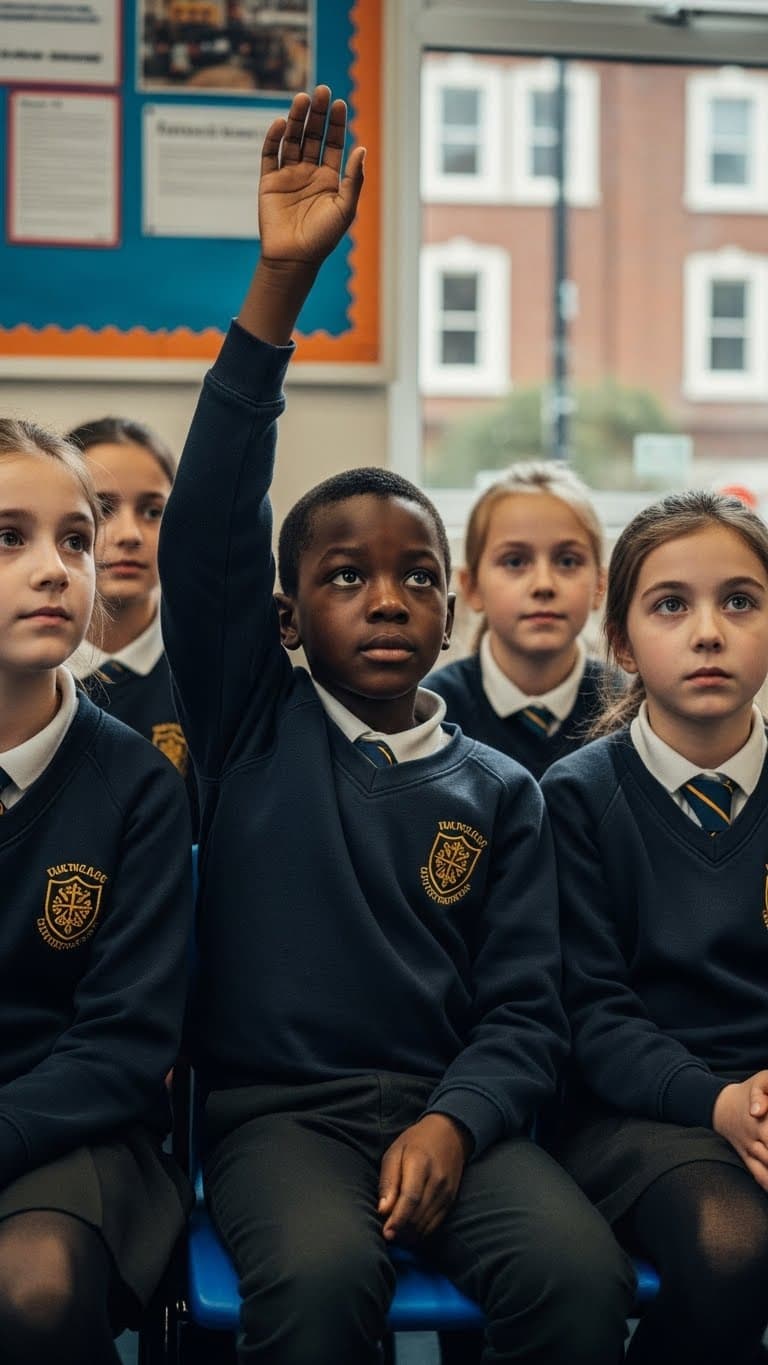
Many Black children and young people in the UK are asking an important question: Does anyone really listen to us?
At home, at school, and even in government decisions, many young people feel overlooked. Between rising living costs, social media pressure, and big differences in how “success” is defined, many are carrying stress that often goes unseen and unheard.
Growing Up Between Two Worlds
Many Black children grow up balancing two realities.
At home, parents often encourage careers like medicine, law, or engineering – paths that once promised stability and respect. But in today’s UK culture (and a few others), young people see many other options: tech, creative industries, entrepreneurship, media, and sport.
When their interests don’t match traditional expectations, it can feel as if their dreams don’t matter.
“I know my parents want the best for me, but sometimes it feels like they already decided my future without asking me what I want”, says one 17-year-old living in London.
That gap between intention and impact can slowly make children stop sharing altogether.
Money Pressure Is Real
Young people feel financial stress daily, even if they don’t always talk about it.
Across the UK, millions of children live in poverty, and children from Black and ethnic minority backgrounds are almost twice as likely to grow up in low-income households. That reality sometimes defines how young people think about their future.
They are told to work hard, but they’re also calculating how to make ends meet: rent keeps rising, food costs more every week, and transport fares add up fast. Even if they don’t live on their own, they want to support their parents.
Mental Health: The Quiet Struggle
National data shows that about 1 in 5 children and young people in the UK had a probable mental health disorder in 2023. Furthermore, research suggests Black children often miss out on early mental health support and are more likely to be referred only when things reach a crisis point. Despite making up a larger proportion of the child population, only around 3% of children entering treatment are recorded as Black, raising concerns about access and support.
Yet many Black children still feel unable to speak openly about how they’re coping.
“When I say I’m stressed, I get told I’m too young to be stressed — so I just stopped talking,” says a 20-year-old in Leeds.
School, Work and Feeling Invisible
For many young Black people, school and work don’t just feel challenging – they can feel unwelcome.
They are more likely to be out of work and more likely to be excluded from school than given emotional support. Over time, this can make it feel like you’re only seen when you do something wrong, not when you need help.
Parent Tips: How to Listen Better
Listening is about building trust, not losing control:
Pause before fixing. Sometimes your child just wants to be heard.
Ask open questions like “What made you feel this way?”
Take mental health seriously; stress can affect any age.
Accept that UK culture (and many cultures around the world) has changed and success looks different now.
Let them know their voice matters, even when you disagree.
Final Thoughts
Black children in the UK don’t want everything their way – they just want to be heard, supported, and understood. When young people feel listened to, they feel valued, and that can make all the difference.
Do you want to know more? Visit http://www.mychildandme.uk/
Tags
Enjoyed this post?
Discover more insights and join our community of parents supporting each other.