Fitting In: Finding Your Place as a Black Migrant Family in the UK
For many Black migrant families in the UK, fitting in means balancing culture, parenting, and belonging. This article explores family support, mental health awareness, and early intervention strategies to help families move from isolation to stability — without losing their identity.
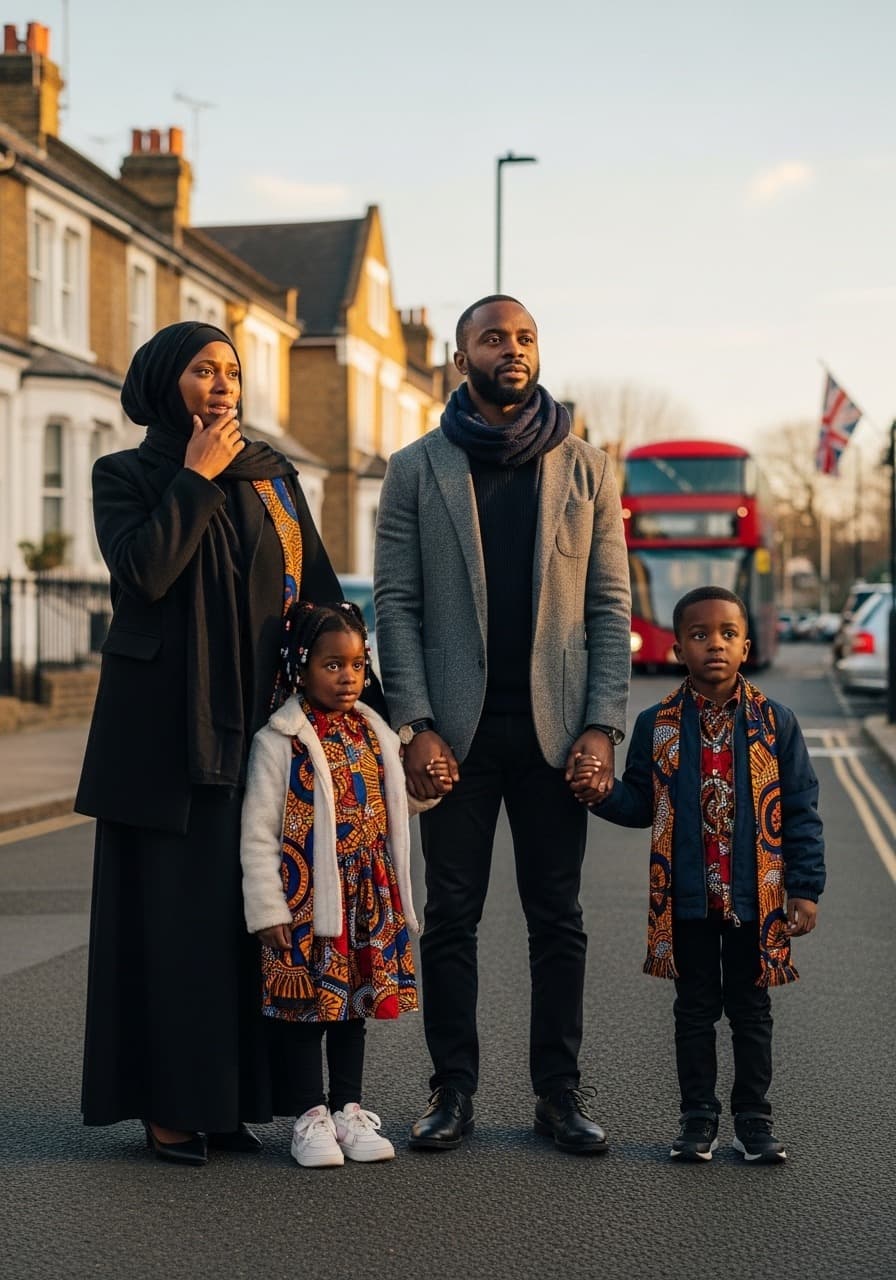
The Unspoken Pressure to "Blend In"
When many families arrive in the UK, the checklist starts immediately.
· Figure out the buses.
· Understand the school system.
· How do I sort out my permanent accommodation?
· Adjust to the weather (because yes… it's different!).
But beneath all that is a quieter question: How do we fit in without losing ourselves?
For Black migrant families, this can feel like walking a tightrope. At home, you're holding onto culture — food, language, discipline, faith, respect. Outside, your children are picking up British accents, new slang, and different social norms faster than you can Google what they mean.
Children often adapt quickly. Parents are adapting too — just in different ways.
So when your child says, "Mum, that's not how other parents do it," it's not rebellion. And when you reply, "That's not how I was raised," it's not stubbornness.
It's an adjustment. On both sides.
Where Did the Village Go?
Back home, parenting rarely happened alone. There was always someone — grandma, aunty, neighbour — who could step in, advise, or gently correct.
In the UK, many families suddenly find themselves doing everything solo.
According to the Office for National Statistics, social isolation is a common experience for migrant households, especially in the early years. That isolation can make everyday parenting feel heavier than it needs to be.
The good news? You can rebuild your village.
Community groups, churches, and parenting programmes create spaces to share experiences and get practical guidance. Organisations such as My Child and Me offer support, advice, and early intervention services that many families don't realise they can access.
Getting help with parenting is not a sign you're failing. It's a sign you're investing in your family.
"That's Not Allowed Here" — Understanding UK Parenting Norms
One of the biggest cultural shocks for some parents is discovering that certain disciplinary approaches are viewed differently in the UK.
The NSPCC encourages positive discipline strategies and clear communication. Understanding safeguarding expectations doesn't mean abandoning your values — it means protecting your family within the system you now live in.
Asking questions early is powerful. Early intervention prevents misunderstandings and builds confidence.
Mental Health Matters (Even If We Don't Talk About It)
Migration is exciting — but it's also stressful.
The NIH recognises that major life transitions can affect mental well-being. Parents may be managing financial pressure or career shifts. Children may be navigating identity questions or experiencing racism at school.
Sometimes stress shows up as silence. Or anger. Or distance.
Creating small, safe conversations at home — "How was school really?" — can make a big difference. Mental health awareness starts around the dinner table.
Thriving in Two Worlds
Fitting in doesn't mean blending until you disappear.
It means raising children who can enjoy fish and chips and jollof rice. Who understand British humour and respect their heritage. Who feel proud of where they come from and confident about where they are.
With family support, community connection, early intervention, and honest conversations about mental health, Black migrant families can do more than survive in the UK.
They can thrive.
And maybe fitting in isn't about shrinking yourself.
Maybe it's about standing tall — in two worlds at once.
Tags
Enjoyed this post?
Discover more insights and join our community of parents supporting each other.