Helping Children Embrace Their Identity and Build Confidence
Children often ask questions about who they are and how they look. Whether driven by curiosity or outside influences, parents play a key role in helping them build a healthy sense of identity and self-worth. Here's how to support them with confidence and compassion.
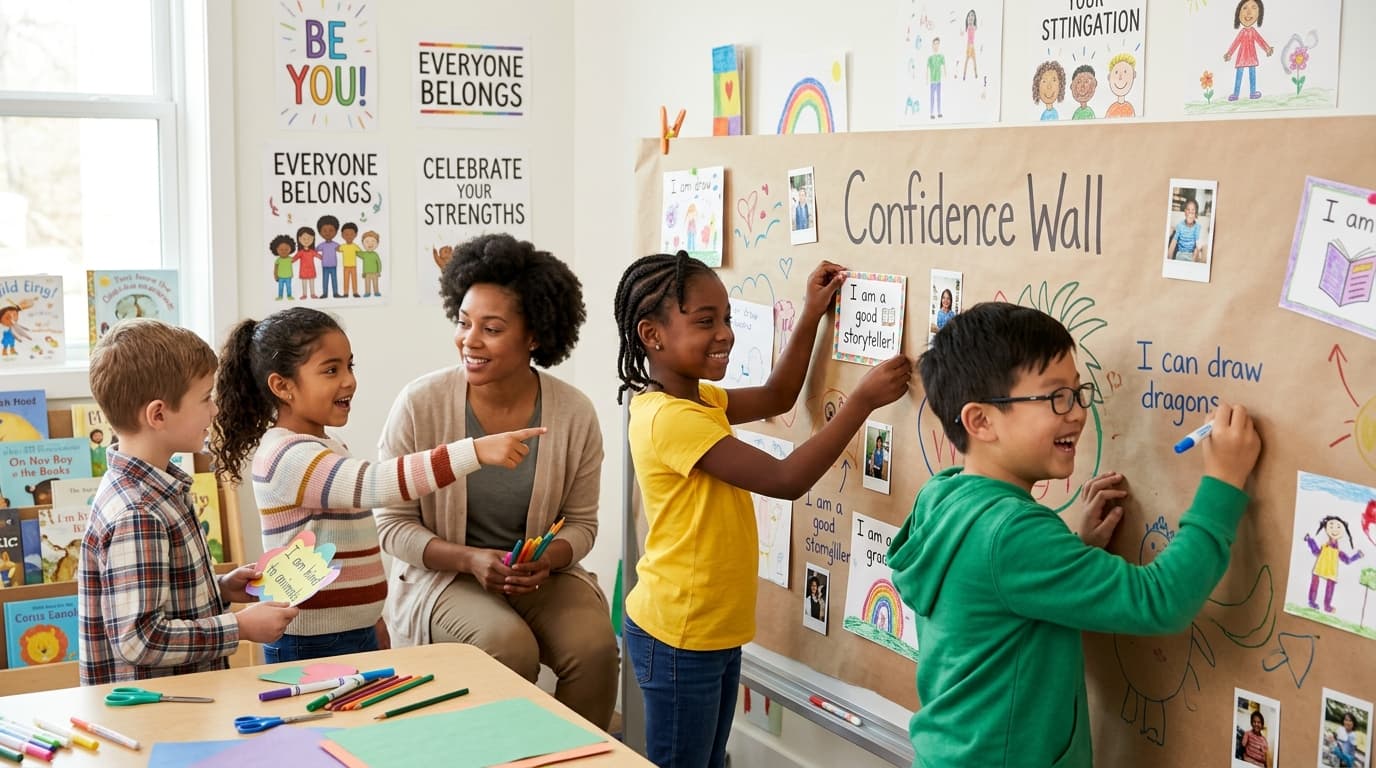
"Why is my skin different?"
"Why don't I look like everyone else?"
"Why is my hair different?"
Questions like these may catch parents off guard, but they are a normal and healthy part of growing up. As children develop, they become increasingly curious about who they are, how they look, where they come from, and how they fit into the world around them.
Why Identity Matters in Childhood
When children have a strong sense of identity, they feel secure, valued, and connected. UNICEF research shows that a positive sense of identity is key to children's well-being and helps them feel they belong in our diverse and changing world. Kids who know and appreciate who they are often handle challenges, discrimination, and social pressures better. (UNICEF)
Identity is more than just ethnicity or culture. It also includes how we look, our family traditions, abilities, interests, values, and experiences. Every child should feel proud of what makes them unique.
Appearance and Self-Worth: The Connection
Research shows that how children feel about their looks can have a big effect on their self-esteem. One large study found that how kids see their own appearance is one of the biggest factors in how they feel about themselves.
Other studies have found that self-esteem is closely tied to how happy children are with their bodies, even in kids as young as seven or eight. (NIH)
This shows why it is important to help children build a healthy view of their appearance from a young age.
How Parents Can Respond
Listen Before You Explain
If a child shares worries about how they look or who they are, try not to correct or dismiss their feelings right away. Instead, ask open questions like:
"How does that make you feel?"
"Can you tell me more?"
Listening first helps children know you hear and understand them.
Celebrate Differences
Show children that diversity is a strength, not something to hide. Share stories, books, and role models that reflect many cultures, looks, abilities, and family backgrounds.
Focus on Character and Strengths
Appearance is important to children, but it should not be the only thing that matters. Talk with them about kindness, creativity, resilience, curiosity, and empathy. These qualities help build real and lasting confidence.
Be Mindful of Your Own Language
Children pick up on what adults say and do. Research shows that parents' attitudes about appearance can shape how children see themselves.
Try not to speak negatively about your own appearance, and show self-acceptance whenever you can.
Building Confidence for the Future
Helping children with questions about identity and appearance is not about having all the right answers. It is about making sure they feel safe, accepted, and valued so they can explore who they are and grow into themselves.
When children know they are loved for more than just their looks, they become more resilient, celebrate what makes them unique, and build healthy relationships with others.
Every conversation matters. Every bit of reassurance helps. Each time you affirm a child's value, you help build the foundation for a confident and secure future.
Need more information? Go to: www.mychildandme.uk and www.parentskills2go.org.
Tags
Enjoyed this post?
Discover more insights and join our community of parents supporting each other.