How Immigrant Parents Can Preserve Culture While Adapting to a New Society
Moving to a new country requires families to adapt to new cultures and ways of life. For immigrant parents, the challenge is helping their children succeed while preserving the values, traditions, and cultural identity that shape who they are. Finding this balance is key to raising confident, resilient, and culturally grounded children.
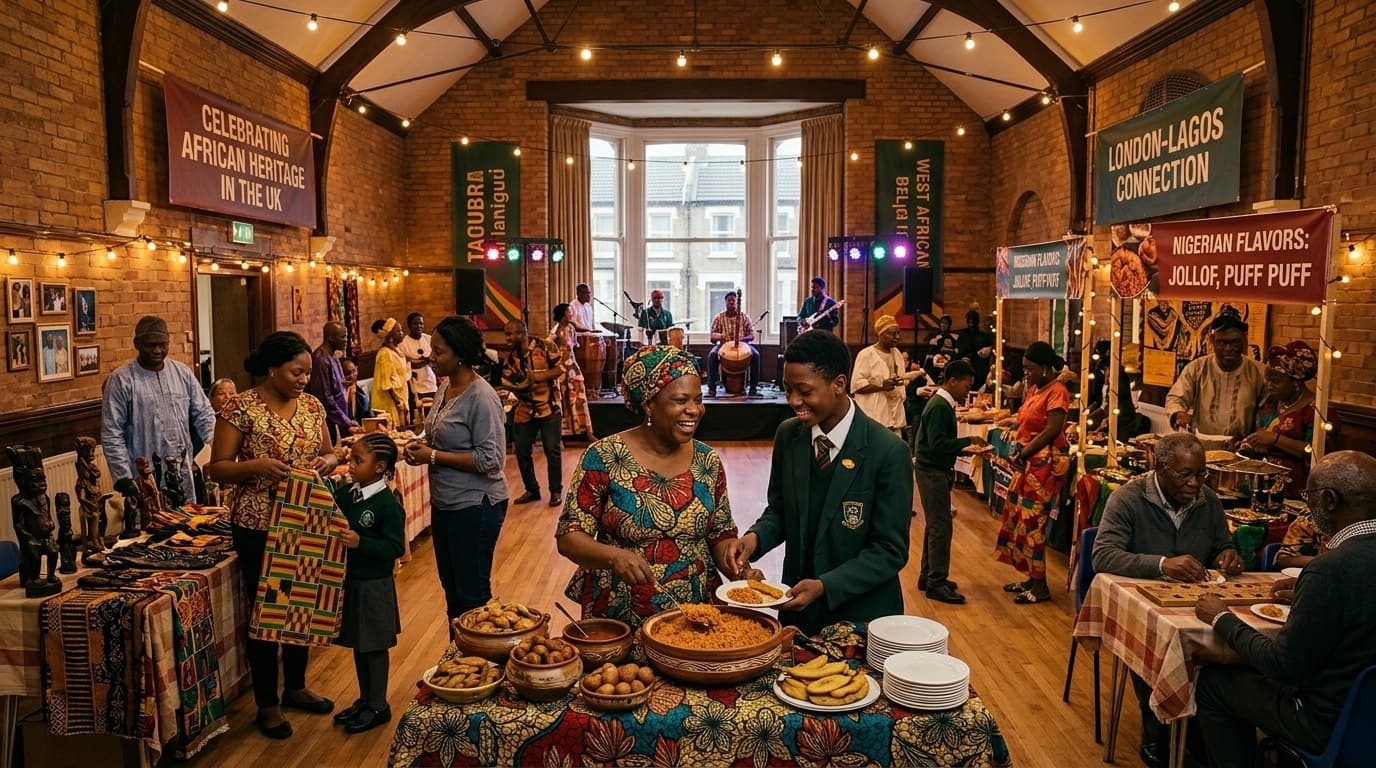
Moving to a new country can unlock opportunities for better education, jobs, and a higher quality of life. But for parents, it also brings the challenge of helping their children fit in while keeping connected to their cultural traditions.
For many immigrant families, cultural identity goes beyond language, food, or traditions. It shapes values, relationships, beliefs, and belonging. Keeping this connection while adjusting to a new place can help children feel more confident and support their well-being.
Why Cultural Identity Matters
Studies show that children who stay connected to their cultural heritage commonly have higher self-esteem, closer family ties, and better emotional health. UNESCO says cultural identity is important for social inclusion, belonging, and personal improvement, especially for young people in multicultural settings.
For immigrant families, upholding cultural traditions can bring stability and a feeling of continuity amid major changes.
Teach Culture Through Everyday Life
You don’t need to make big gestures to preserve culture. It often starts with simple, everyday family moments.
Speaking your heritage language at home, sharing traditional meals, celebrating cultural festivals, telling family stories, and teaching children about their history all help build a strong cultural identity.
Language is especially important. Research from the Organisation for Economic Co-operation and Development (OECD) shows that being bilingual brings cognitive, social, and cultural benefits, like better communication skills and closer family bonds.
When children can talk with grandparents and relatives in their heritage language, they often gain an increased appreciation for their family’s history and traditions.
Embrace Integration, Not Assimilation
Many immigrant parents worry that assimilating to a new society means giving up their cultural identity. In fact, successful integration often entails embracing both cultures.
The International Organisation for Migration (IOM) says migrants can keep their cultural heritage whilst taking part in their new communities. Children can learn to move between cultures without having to pick just one.
Parents can support this by helping children esteem both their cultural background and the new opportunities around them. This bicultural approach usually helps kids become more adaptable, confident, and socially skilled.
Build Community Connections
Community is key to preserving culture. Faith groups, cultural associations, community centres, and family networks offer children opportunities to connect with others who share their background and experiences.
These places can strengthen cultural values, offer positive role models, and help families feel less alone.
For immigrant parents, being part of a community also means getting practical support and learning how others handle similar challenges.
Create Open Conversations Across Generations
One of the biggest challenges for immigrant families is the generational gap that can happen when children adjust to a new culture faster than their parents.
Open communication is key. Parents can create safe spaces where children feel comfortable talking about their experiences, questions about identity, and cultural differences without worrying about being judged.
Instead of seeing cultural adaptation as a threat, families can see it as an opportunity to learn and grow. Appreciating one another helps reduce conflict and strengthens family bonds.
Raising Confident and Culturally Grounded Children
Preserving culture and adapting to a new society don’t have to be at odds. With intention, both can help children build a strong sense of identity, belonging, and resilience.
By celebrating cultural heritage, preserving family traditions, engaging with the community, and fostering open conversations, immigrant parents can help their children succeed in diverse societies and remain proud of their roots.
In today’s connected world, children who know both their cultural background and the wider society are often best prepared to succeed, contribute, and connect different communities.
Want to find out more? Go to www.mychildandme.uk.
Tags
Enjoyed this post?
Discover more insights and join our community of parents supporting each other.