How Racism and Xenophobia in the UK Can Affect the Emotional Wellbeing of Migrant Parents
For migrant parents, racism and xenophobia can cause anxiety, fear and emotional exhaustion, especially when they worry about their children experiencing the same. Understanding this burden is key to supporting migrant families in the UK.
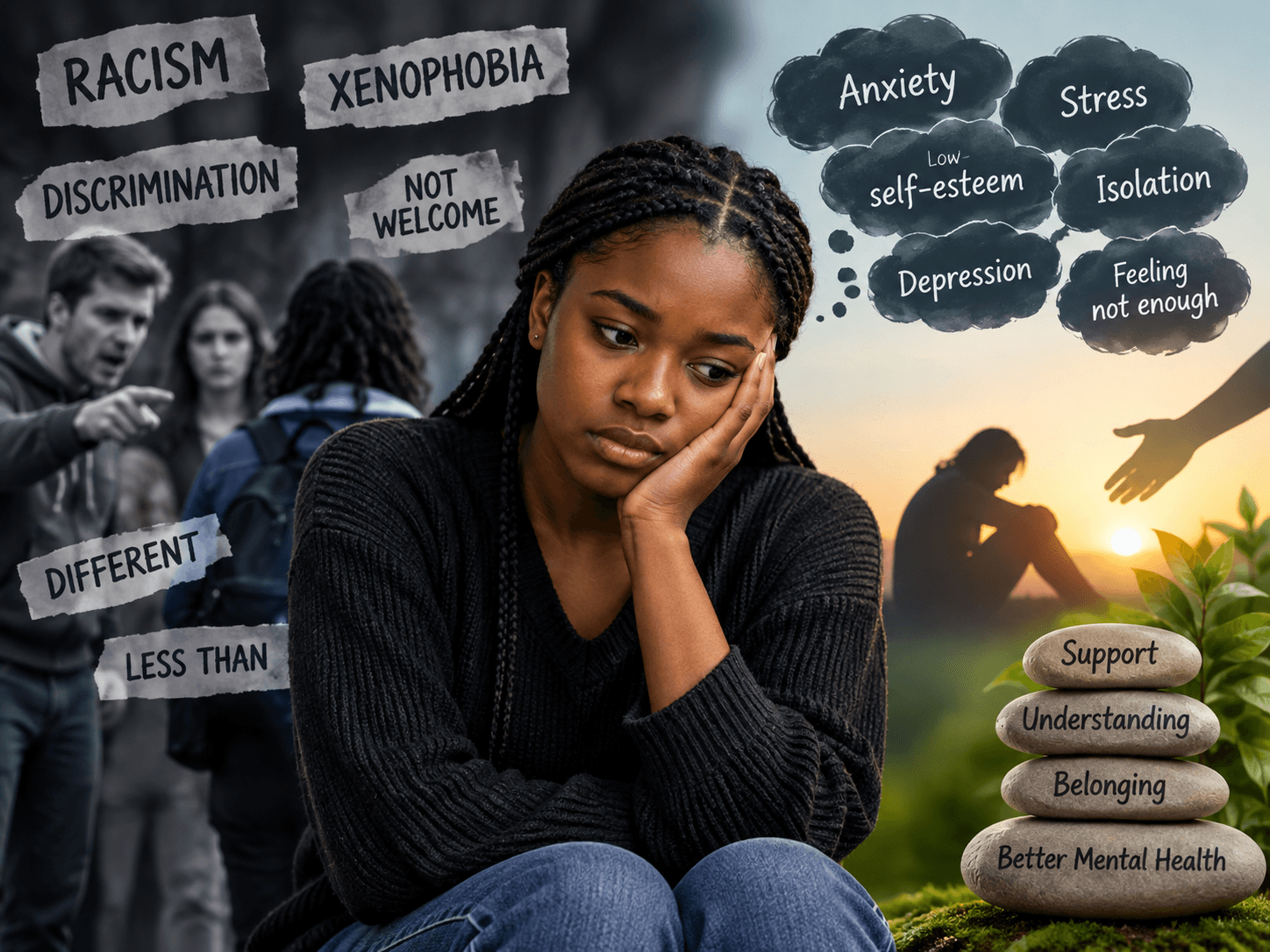
Migrant parents often arrive in the UK carrying hopes for a safer, more secure and meaningful future for their children. But for some families, settling into a new country also means navigating racism, xenophobia, discrimination and the fear of not fully belonging.
These experiences can have an emotional cost that is easy to overlook.
Living With the Fear of Being Targeted
Racism is not only about direct physical attacks or racial slurs. It can also appear through stereotyping, exclusion, workplace discrimination, unfair treatment in services, hostile comments in public spaces or assumptions about someone's accent, nationality or immigration status.
Recent Home Office statistics underline the scale of the problem. In England and Wales, 82,490 race hate crimes were recorded by police in the year ending March 2025, a 6% increase from the previous year. Race-related offences accounted for 71% of all recorded hate crimes. GOV.UK
For a migrant parent, knowing that racism exists, or experiencing it personally, can create a persistent sense of attentiveness: Will my child be safe at school? Will someone treat us differently because of where we come from? Should I report what happened? Will reporting it make things worse?
That constant alertness can contribute to anxiety, anger, sadness and emotional exhaustion.
When Parents Carry Their Children's Experiences Too
Perhaps one of the most difficult aspects of racism for migrant parents is that they may not only have to process their own experiences. They may also have to watch their children encounter discrimination.
A 2024 UK study published in Child and Adolescent Mental Health explored the experiences of parents and teenagers who had experienced racism. The researchers found that parents' and children's experiences could affect one another, influencing mental health, parenting behaviour and parent-child relationships. Parents described trying to prepare and protect their children from racism, sometimes having difficult conversations about race from a young age. ACAMH+1
Imagine a parent who has spent years telling their child that Britain is their home, only to have that child return from school upset because of a racist comment.
The parent may feel anger, fear, helplessness. Perhaps even guilt for bringing their family into an environment where their child may experience prejudice.
The Emotional Burden of “Staying Strong”
Migrant parents can also feel pressure to remain strong because their families depend on them.
They may be dealing with immigration uncertainty, financial pressures, loneliness or separation from extended family while simultaneously trying to reassure their children that everything will be fine.
Research from the Mental Health Foundation highlights how experiences before, during and after migration can affect the mental health of refugees and asylum seekers in the UK, with additional difficulties arising from insecurity, isolation and barriers to support. Mental Health Foundation
Racism can add an additional layer to an already demanding transition.
Creating Spaces Where Parents Feel Safe
Supporting migrant parents therefore requires more than encouraging individual resilience.
Parents need communities where they feel welcomed, services that understand cultural differences, accessible mental-health support and institutions that take racism seriously.
It is also important not to portray migrant families solely through vulnerability. Migrant parents demonstrate enormous resilience, adaptiveness and commitment to their children. However, resilience should not be mistaken for an absence of pain.
A parent can be thankful for the opportunities Britain offers while still being hurt by racism. They can love their new home while missing the old one. They can feel hopeful about their children's future while worrying about how those children will be treated.
Emotional wellbeing begins when there is room for all of those feelings.
And perhaps one of the most important questions we can ask migrant parents is not simply, “How are your children settling into life in the UK?”
It is:
“How are you coping with everything you are carrying?”
Go to www.mychildandme.uk or www.parentskill2go.org to find out more about safe spaces.
Enjoyed this post?
Discover more insights and join our community of parents supporting each other.