Positive Role Models and Mentorship: Unlocking the Potential of African Youth
With Africa home to the world's youngest population, investing in positive role models and mentorship has never been more important. Beyond academic success, young people need guidance, encouragement, and examples of what is possible. Mentorship helps build confidence, resilience, leadership skills, and a sense of purpose.
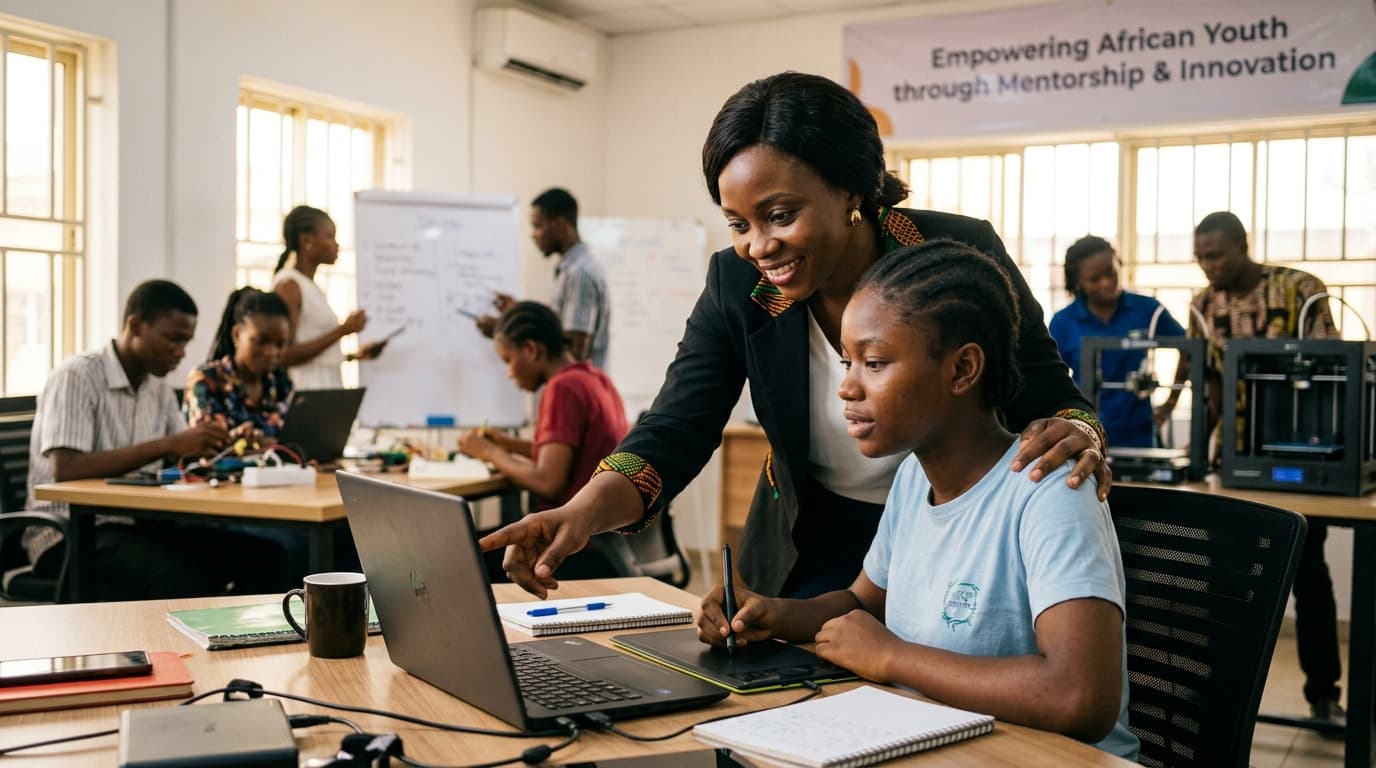
Africa's greatest asset is its young people. More than 60% of the continent's population is under the age of 25, making Africa the youngest continent in the world. As this generation prepares to mould the future of business, governance, technology, and social development, the need for positive role models and mentorship proves increasingly important. (African Development Bank)
However, while Africa is home to one of the world's youngest populations, many young people face significant challenges. Insecurity, bad governance, and negative media influences can limit their opportunities and aspirations, with a place like Nigeria's economic difficulties further exacerbating these challenges.
With education being a critical pathway to opportunity, young people also need guidance, encouragement, and real-life examples of success. Positive role models and mentors help bridge the gap between potential and achievement, particularly for young people growing up in difficult circumstances.
Why Role Models Matter
Young people learn from what they are taught and from what they observe. Positive role models demonstrate values such as integrity, resilience, perseverance, empathy, and leadership.
When young people see individuals who look like them, share similar backgrounds, or have overcome comparable challenges, they begin to believe that success is possible for them too. This sense of representation can strongly influence aspirations, confidence, and choices.
For many African youth, particularly those facing poverty, unemployment, social exclusion, or limited opportunities, positive role models provide a vision of what can be achieved despite obstacles.
The Effect of Mentorship
Unlike role models who inspire from a distance, mentors provide direct support and guidance. They help young people navigate personal challenges, make informed decisions, develop life skills, and build pathways towards education and employment.
Research and youth development programmes consistently show that mentoring relationships contribute to improved self-esteem, leadership skills, problem-solving abilities, and long-term resilience. Recognising this, UNICEF incorporates mentorship as a core component of its youth development initiatives, helping young people strengthen confidence, well-being, and their ability to create positive change in their communities. (UNICEF)
Mentorship is especially valuable during adolescence and early adulthood, when young people are making important decisions about identity, education, careers, and relationships.
Addressing Africa's Opportunity Gap
Despite its enormous youth potential, Africa continues to face major challenges. The African Development Bank notes that millions of young people enter the labour market every year while employment opportunities struggle to keep pace. Many young people also lack access to the networks, guidance, and professional exposure needed to succeed. (African Development Bank)
This is where mentorship becomes transformative.
A mentor can help a young person identify strengths, explore career options, access opportunities, and develop the confidence needed to pursue ambitious goals. Often, a single supportive relationship can alter a young person's life trajectory.
Building the Next Generation of Leaders
Mentorship should not be viewed as a luxury but as an investment in Africa's future. Families, schools, faith organisations, community groups, businesses, and youth organisations all play a role in building spaces where young people can access guidance and support.
As UNESCO and other international organisations continue to highlight, Africa's demographic advantage can only be realised when young people are provided with the knowledge, skills, health, and support systems needed for growth. (UNESCO)
The future of Africa will be formed not only by policies and institutions but by the relationships that help young people discover their potential. Every mentor, coach, teacher, parent, and community leader has the opportunity to encourage the next generation of changemakers.
When African youth are guided, encouraged, and empowered, they do not simply succeed individually—they transform families, strengthen communities, and help build a more prosperous and inclusive future for the continent.
Looking for venues and community partners to host or develop a mentoring programme for African, migrant, or disadvantaged young people? There are a mix of youth hubs, community centres, family support organisations, and specialist mentoring providers for this purpose.
To find out more, go to www.mychildandme.uk
Tags
Enjoyed this post?
Discover more insights and join our community of parents supporting each other.