Raising Confident Children While Facing Cultural Stereotypes
Children growing up in culturally diverse societies may encounter stereotypes that affect their confidence and sense of belonging. Discover how parents can help them build resilience, embrace their identity, and thrive with confidence.
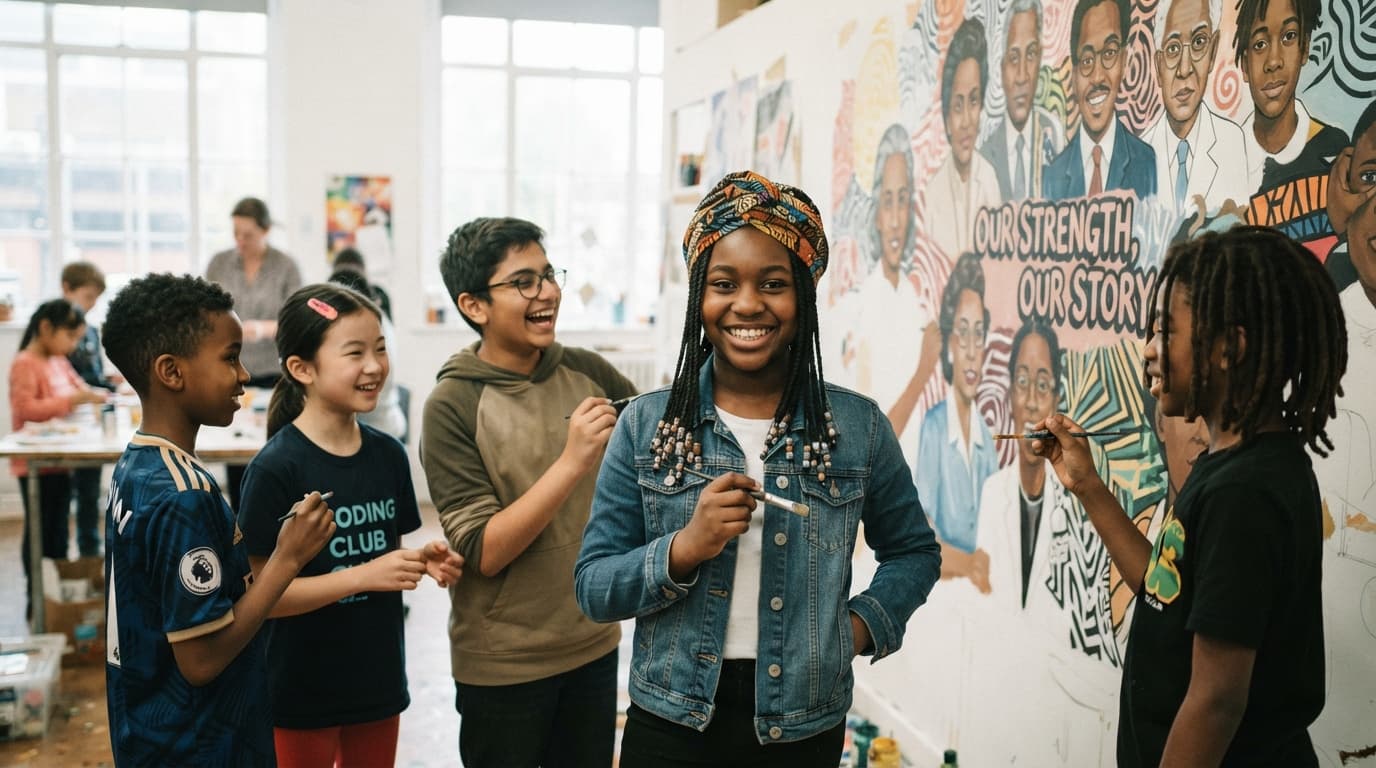
All parents want their children to feel capable, valued, and full of potential. But for many families from ethnic minority backgrounds, this path can be made harder by cultural stereotypes, unconscious bias, and exclusion.
Comments about a child's accent, hair, skin colour, name, faith, or traditions may seem small, but they can have a lasting impact on confidence. Over time, children might start to wonder where they belong or if they need to change to fit in.
The good news is that parents and communities can strongly influence how children see themselves. With love, encouragement, and thoughtful parenting, children can become confident and proud of both their heritage and their future.
Identity Begins at Home
Children start building their sense of self at home, long before they hear what others think.
When parents celebrate their family's culture, language, traditions, and history, they help children feel secure in who they are. Knowing their roots gives young people a stronger base when they face stereotypes or misunderstandings.
Simple things like sharing family stories, celebrating cultural festivals, cooking traditional meals together, or teaching children their heritage language all show them that their identity is something to be proud of.
Talk Openly About Stereotypes
Many parents wish their children would never face prejudice. But avoiding the topic does not prepare them for what they might encounter.
Instead, try to create safe chances to talk about stereotypes in ways that fit your child's age. You can ask questions like:
Has anyone ever made assumptions about you?
How did it make you feel?
How do you think you could respond confidently and respectfully?
These talks help children see that stereotypes reflect other people's misunderstandings, not their own value, and that they can always come to their parents for support.
Build Confidence Through Strengths
Children become more confident when they succeed and feel seen for who they are.
Encourage children to grow their talents, whether in sports, music, science, technology, leadership, art, or helping others. Praise their effort, perseverance, kindness, and integrity, not just their grades.
Children's confidence grows when they learn that their worth comes from their character and effort, not from what others think.
Choose Positive Role Models
Representation matters.
When children see people who look like them succeed in different jobs and areas of life, they start to imagine more possibilities for themselves.
Introduce them to authors, scientists, entrepreneurs, artists, engineers, healthcare workers, teachers, and community leaders from many backgrounds. Share stories of people who have faced challenges but stayed true to their values.
Teach Children to Respond, Not React
Children cannot control what others say or think, but they can learn to respond with confidence and dignity.
Help children build communication skills so they can challenge unfair assumptions respectfully and keep their self-respect.
It is also important to teach emotional strength. Not every comment needs a response, but every experience can help children grow stronger.
When parents communicate calmly and respectfully, they teach children how to handle tough situations without losing confidence. No family should face these challenges alone.
Faith communities, cultural groups, schools, mentors, extended family, and youth groups all help children feel a strong sense of identity and belonging.
Research has shown that supportive relationships and connected communities are key protective factors for young people's mental health and wellbeing.
Children thrive when they know they are supported by people who believe in them.
Conclusion
Cultural stereotypes might shape some of the challenges children face, but they do not have to define their future.
Parents have the unique opportunity to build confidence from the inside out, by nurturing identity, celebrating heritage, encouraging strengths, and creating safe spaces for honest conversations.
When children know who they are, where they come from, and that they are deeply loved, they become far less vulnerable to the labels others place on them.
The most powerful message a child can hear is this: "You don't need to change who you are to belong. Your identity is your strength, and your future is full of possibility."
Visit www.mychildandme.uk or www.parentskills2go.org for more information.
Enjoyed this post?
Discover more insights and join our community of parents supporting each other.