Raising Respectful Children Without Fear-Based Discipline
Many parents grew up believing that fear creates respect. But does it really? More families are discovering that children respond better to guidance built on trust, communication, and emotional safety rather than fear and intimidation.
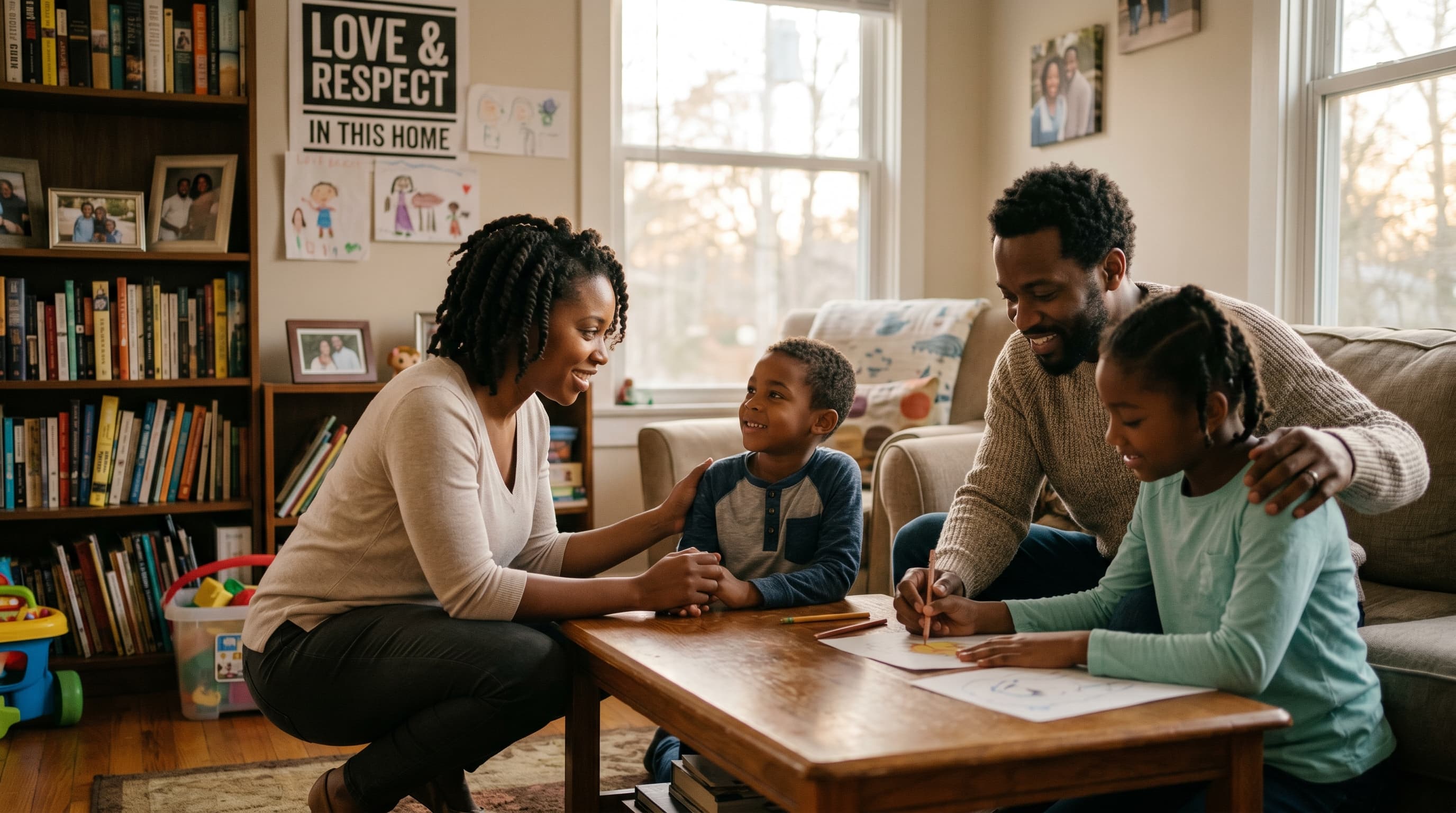
Many of us were raised in homes where discipline meant fear.
Children were often told to be quiet, follow instructions right away, and not question adults. In many cultures, strict discipline was seen as the only way to earn respect, and fear of consequences was thought to be necessary for good behaviour.
But things are changing, and now people are having new conversations about parenting.
Today, many parents are starting to ask an important question: Can children learn respect without being afraid?
The answer is yes. In fact, many experts believe children do even better when they are not raised in fear.
Fear May Create Obedience, But Not Always Respect
Fear-based discipline can mean shouting, making threats, humiliating, intimidating, or physically punishing a child. These methods might stop unwanted behaviour for a while, but they do not always help children understand why what they did was wrong.
Instead, children may simply learn to avoid punishment.
Over time, always being afraid can hurt a child’s confidence, emotional health, and their relationship with their parents. Some children may become quiet and anxious, while others find it hard to talk openly because they worry about being judged or punished.
Real respect comes from trust, understanding, and steady guidance, not from fear.
Children Learn From What They Experience
Children pay attention to how adults treat them and others around them.
When children grow up feeling heard, respected, and safe, they are more likely to develop empathy, self-control, and good communication skills.
This does not mean children should have no boundaries, accountability, or structure. Guidance and consequences are still important.
But correction can happen without humiliation.
Simple actions like calmly explaining consequences, listening before reacting, and correcting behaviour with patience can make a big difference in how children learn and respond.
Parenting and Culture Can Work Together
In many African, immigrant, and multicultural families, discipline is closely tied to culture and tradition. For some parents, being “strict” is considered a key part of being a responsible parent.
There is also the fear that softer parenting approaches may lead to disrespect or loss of values.
Positive parenting respects cultural values and also helps children grow up with respect and healthy emotions.
Parenting is not about giving up authority. It is about using authority in a thoughtful way. As a matter of fact, opposition to the use of physical force to discipline children has risen over the years even in African households.
Connection Before Correction
Children are more likely to listen to adults they feel connected to.
When parents spend time with their children, talk openly, encourage honesty, and make it safe to have conversations, discipline works better because trust is already there.
Sometimes, what children need most is not stronger correction, but a closer connection.
Instead of asking, “How do I make my child fear consequences?” we might need to ask, “How do I help my child understand responsibility?”
Changing our focus in this way can transform family relationships and help build lasting, healthy respect.
Raising Children for the Future
Many experts agree that fear-based discipline methods like shouting, humiliating or name calling can negatively impact trust and respect. However, some studies suggest that certain forms of physical punishment may be effective in reducing child non-compliance or antisocial behavior. However, the overall consensus leans towards non-aversive, respectful discipline strategies. JohnHopinsmedicine.org
Every child deserves to grow up feeling valued, supported, and guided, not always afraid.
Parents, schools, and communities all help shape the next generation. The goal is not just to raise obedient children, but to help them become emotionally healthy, responsible, and respectful adults.
Respect that comes from trust lasts much longer than respect created by fear.
Want to know more? Click on the link www.mychildandme.uk.
Tags
Enjoyed this post?
Discover more insights and join our community of parents supporting each other.