Teaching African Values to Children in a Digital World
In a world shaped by screens, social media, and global influences, many African parents are asking the same question: how do we preserve our cultural values while raising children in a rapidly changing digital age?
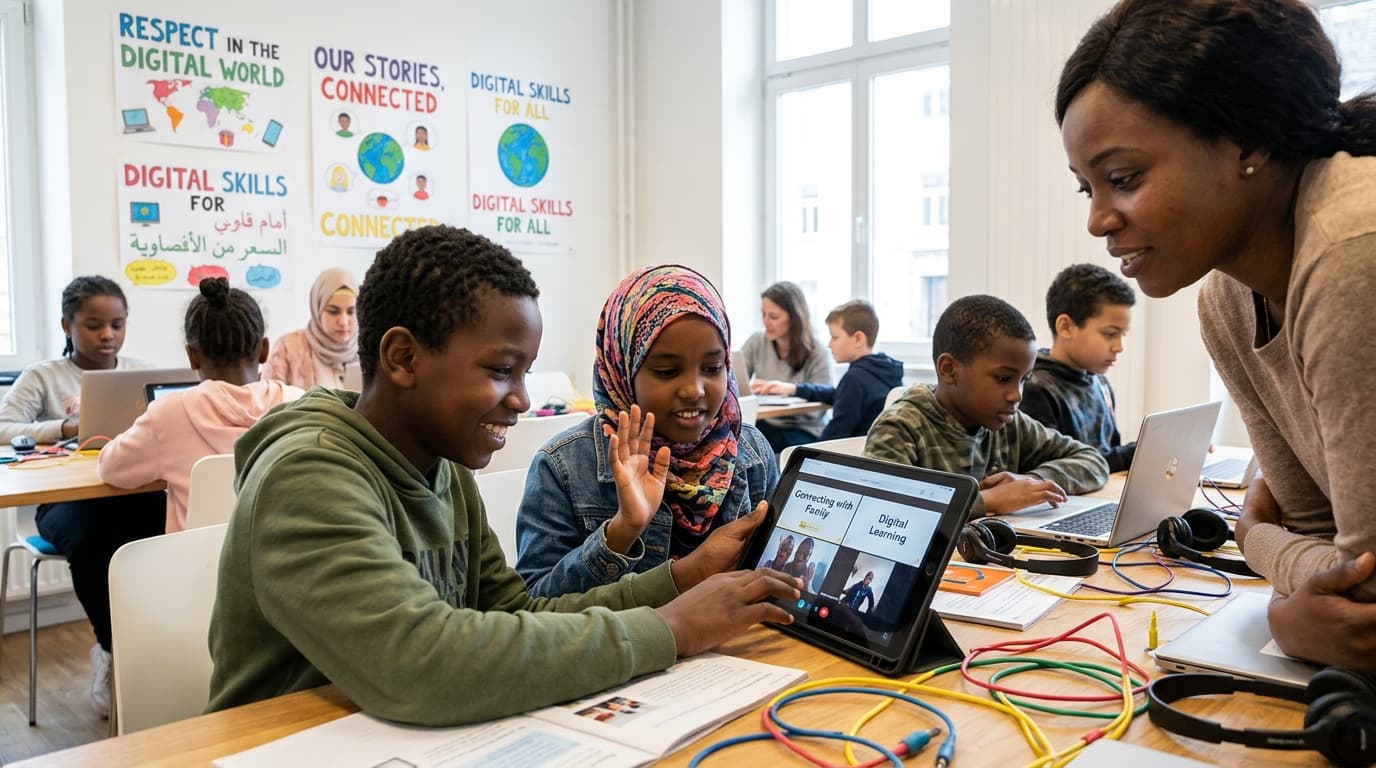
Children today are growing up in a very different world from the one many African parents experienced.
Technology now shapes how children learn, communicate, socialise, and even form their identities. From TikTok trends and YouTube influencers to online gaming and social media culture, young people are constantly exposed to ideas and lifestyles from around the world.
While the digital age has created opportunities for learning and connection, it has also left many parents wondering: How do we ensure our children remain grounded in African values and identity?
It is a question many African and diaspora families are trying to navigate.
African Values Are More Than Tradition
African values are often rooted in respect, community, responsibility, kindness, resilience, and collective identity. In many homes, children are taught the importance of greeting elders, supporting family members, showing hospitality, and understanding that individual success should also benefit the wider community.
These values help shape character and emotional well-being.
But preserving culture today requires more intentional effort than before.
Unlike previous generations, children are now influenced not only by parents and communities but also by algorithms, influencers, celebrities, and online communities that operate 24 hours a day.
The Challenge of Raising Children Between Two Worlds
For many families living abroad or in multicultural societies, children often grow up balancing two worlds — the culture at home and the culture outside the home.
Sometimes this creates confusion.
A child may hear one message from parents about respect, discipline, or relationships, while social media promotes something entirely different. This can leave young people feeling torn between fitting into modern society and staying connected to their roots.
This is why conversations about identity matter more than ever.
Children need opportunities to understand why cultural values are important, rather than simply being told to follow them.
Culture Is Best Taught Through Daily Living
Teaching African values does not always require long lectures. In many cases, children learn most from everyday experiences.
Simple things matter:
speaking native languages at home
sharing family stories
celebrating cultural traditions
showing respect in daily interactions
Involving children in community activities
teaching empathy and responsibility
Children pay attention to what parents model consistently.
If kindness, respect, accountability, and compassion are visible at home, children are more likely to carry those values into the outside world. It is important to understand that culture is easily transferred through daily living, not matter the race.
Technology Is Not the Enemy
The digital world itself is not necessarily the problem. In fact, technology can also help children connect with culture in meaningful ways.
African history documentaries, podcasts, language apps, cultural storytelling platforms, music, and educational creators now make it easier for children to engage with their heritage globally.
The key is balance.
Rather than completely rejecting digital culture, parents can guide children in learning how to engage with technology wisely while remaining connected to their values and identity.
Raising Grounded Children in a Changing World
No parent can completely control the influences surrounding their children today. But parents, families, schools, faith groups, and communities still play a powerful role in shaping identity and character.
Children need more than academic success or online popularity. They need a sense of belonging, guidance, emotional safety, and values that help them navigate the world confidently.
Because in the end, preserving African values is not about resisting modern life — it is about raising grounded children who know who they are, where they come from, and how to contribute positively wherever they go.
Tags
Enjoyed this post?
Discover more insights and join our community of parents supporting each other.