The Influence of Music, Social Media, and Celebrity Culture on African Youth in the Diaspora
African youth in the diaspora face powerful influences from music, social media, and celebrity culture while navigating identity and belonging. Discover how parents can guide them with open communication, strong values, and cultural confidence.
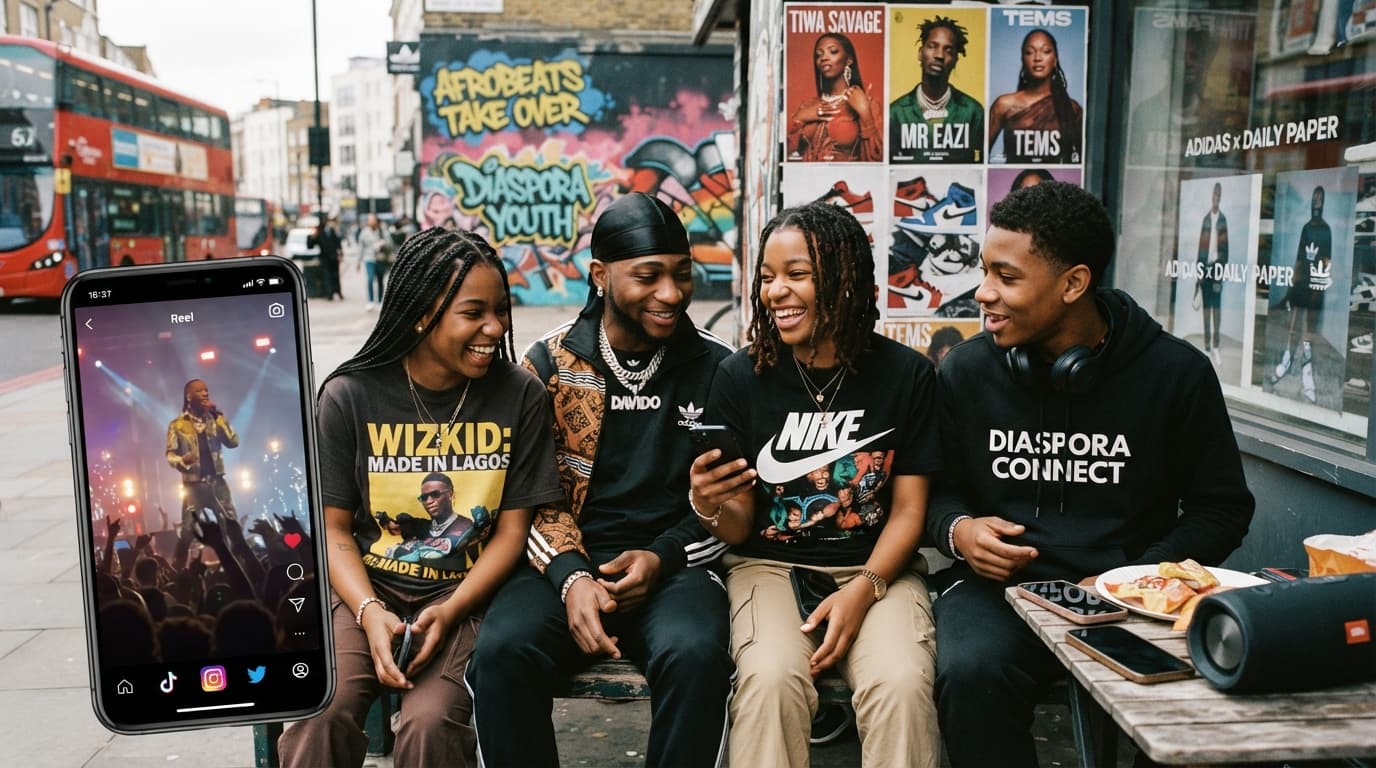
Raising teenagers is always a challenge, and for African parents in the diaspora, it can feel even more complicated. Young people are growing up amid two worlds: one defined by the rich cultural values of their African roots, and the other by the fast-moving influences of the societies around them.
Every day, young people are surrounded by music, social media, and celebrity culture that shape their opinions, dreams, identity, and sense of belonging. Many parents wonder how to keep their values strong while helping their children succeed in today’s digital world.
Instead of rejecting modern influences, it helps to guide young people so they can engage with them mindfully and with confidence.
Music Is More Than Entertainment
Music is a big part of how teenagers express themselves and connect with others. Whether it’s Afrobeats, Gospel, Hip-Hop, R&B, or Amapiano, music can build cultural confidence, spark creativity, and bring people together.
For African youth living abroad, music can also help them stay connected to their roots. Listening to artists who celebrate African languages, traditions, and stories can strengthen their sense of identity.
But not all messages in popular music are positive. Some songs make violence, substance abuse, materialism, or unhealthy relationships seem appealing. Hearing these messages often can quietly shape how young people think and act.
Instead of banning certain types of music, parents can use music to start conversations. Talking about lyrics, values, and choices helps teenagers think carefully and see the difference between entertainment and real life.
Social Media Shapes Identity
For many young people, social media is where they make friends, follow trends, and figure out who they are. Platforms such as TikTok, Instagram, Snapchat, and YouTube let them learn, create, and connect with people everywhere.
But social media also exposes teenagers to unrealistic beauty standards, false information, cyberbullying, and the pressure to compare themselves to others.
For African youth living outside their home countries, these pressures can feel even stronger because of issues about identity, race, and belonging.
Celebrity Culture and the Search for Identity
Celebrities and influencers are now some of the biggest role models for young people. Their lifestyles, fashion, opinions, and achievements frequently shape what teenagers look up to and want for themselves.
Some public figures use their influence in positive ways, like supporting education, business, charity, and social justice. Others, though, show success as only about money, popularity, luxury, or looks.
For young people balancing African values with Western influences, these mixed messages can make it confusing to know what real success looks like.
Parents can help by encouraging conversations such as:
What qualities make someone worth admiring?
What values do they demonstrate beyond their online image?
Who are the everyday role models in our own community?
Talking about these questions helps young people focus more on character than on fame.
Helping Young People Stay Grounded
Research shows that strong family relationships are one of the best ways to protect young people as they grow up.
Parents can support their teenagers by:
Creating regular opportunities for open, judgment-free conversations.
Showing genuine interest in the music, creators, and influencers their children follow.
Setting healthy digital boundaries as a family.
Encouraging participation in cultural events, faith communities, volunteering, sports, and creative activities.
Celebrating African languages, traditions, and family stories to strengthen cultural identity.
Modelling healthy technology habits and balanced media consumption.
When children feel secure in who they are, they are better able to handle outside influences without forgetting their true selves.
Conclusion
Music, social media, and celebrity culture are shaping today’s generation in new ways. For African youth in the diaspora, these influences can build confidence and creativity, or lead to comparison, confusion, and a sense of division.
Parents don’t have to be afraid of the digital world. They can be trusted guides, helping their children make sense of what they see, hear, and experience. By combining strong African values like respect, community, resilience, and integrity with open communication and digital skills, families can raise young people who feel confident in both their heritage and their future.
Even inside a world full of influencers, the most important influence is still a parent who listens, understands, and leads with love.
Go to www.mychildandme.uk or www.parentskills2go.org for more information.
Tags
Enjoyed this post?
Discover more insights and join our community of parents supporting each other.