What Multicultural Families Can Teach Society About Inclusion
Multicultural families live at the intersection of different cultures, languages, traditions and perspectives. Their everyday experiences offer valuable lessons about empathy, flexibility, belonging and what it really means to build an inclusive society.
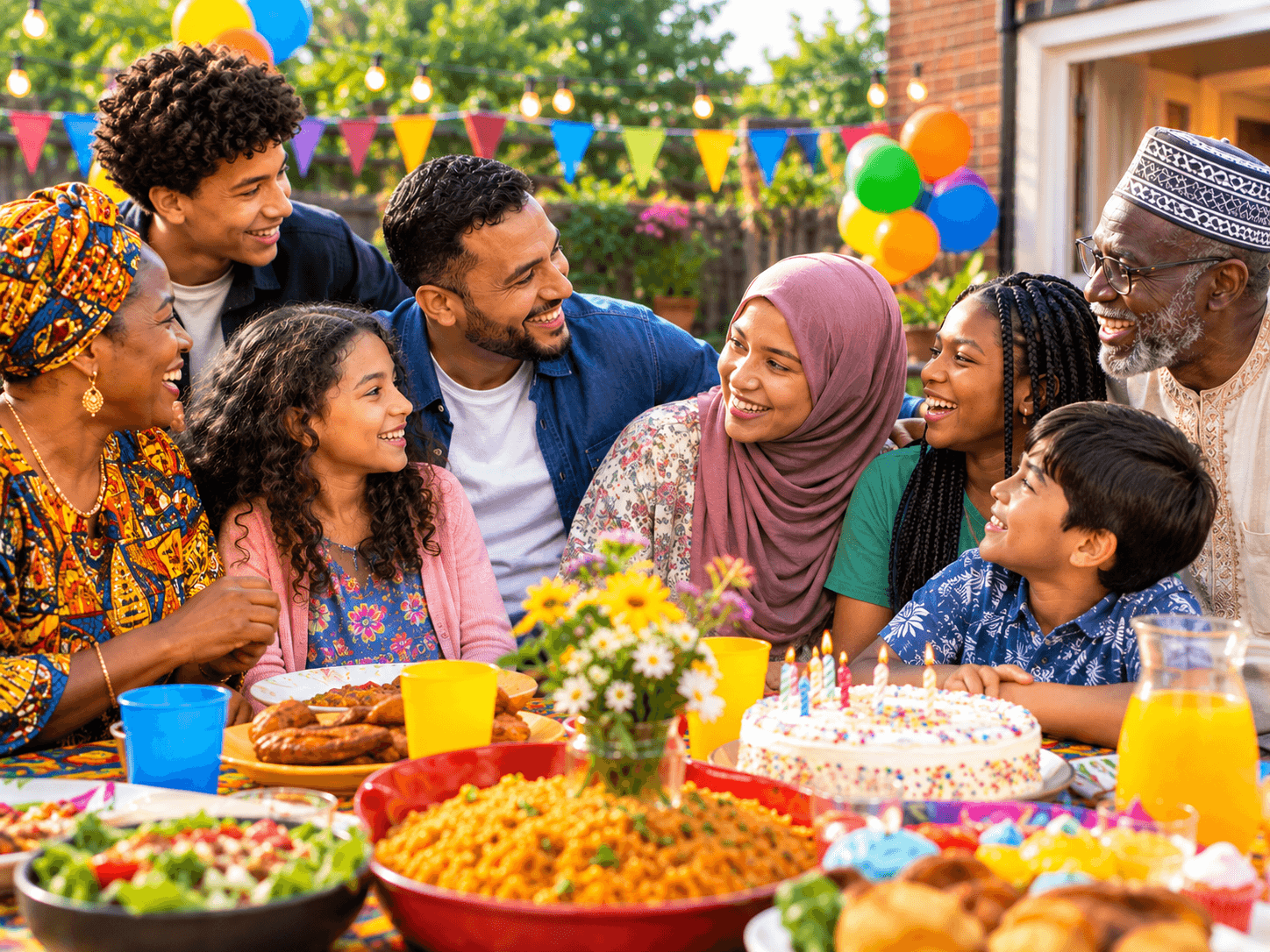
More Than One Culture, More Than One Perspective
In many multicultural families, daily life involves switching between languages, traditions, foods, values and expectations.
A child could have one kind of food at home, a different one at school, and still take part in traditions from various cultures with their family. Parents may have to explain one culture to another—sometimes to their children, sometimes to their relatives, and sometimes to the wider community.
What seems like a normal part of family life can teach wider society an important lesson: difference need not result in division.
According to the OECD, about 19 per cent of children aged under 16 in the member countries lived in households with immigrants, whether the children were immigrants themselves or had immigrant parents. (OECD)
As societies become more diverse, it becomes more important to consider what true inclusion means by looking at the experiences of these families.
Inclusion Starts With Listening
A major lesson that multicultural families can provide is how important it is to listen.
Living with different cultural viewpoints usually shows that there is not always a single correct way of communicating, celebrating, parenting, or solving a problem.
It would likely spark curiosity—such as wondering why we do things this way, how another family views the situation, and what we can learn from one another.
UNESCO says that taking part in culture and expressing yourself in cultural ways helps people feel included, builds trust, encourages tolerance, and brings communities together. (UNESCO)
In other words, inclusion is not just getting people into the room; it's making room for their voices once they arrive.
Children Can Become Cultural Bridges
Children from multicultural backgrounds usually learn how to move around in various worlds from a young age.
Depending on who they are talking to, they might use different languages, understand various family traditions, and explain certain aspects of their culture to people from another culture.
That kind of experience can lead to a greater appreciation of diversity, though it is necessary not to assume that all children from multicultural backgrounds feel confident or accepted.
Research carried out by the OECD indicates that the children of immigrants may face difficulties concerning a feeling of inclusion and discrimination. For instance, among immigrant students in both OECD and EU countries, the likelihood of reporting being bullied was higher than that of native-born students, the figure being about 27% in both groups of countries. (OECD)
This reminds us that diversity alone does not lead to inclusion; people must feel they belong.
From Diversity to Belonging
Multicultural families can thus show society that inclusion is something which we actively practise.
That involves learning the correct way to pronounce someone's name, setting aside space for all kinds of celebrations, listening when someone describes their experience, questioning stereotypes, and giving children the chance to see their culture presented in a positive light.
That also means individuals can belong to several cultural worlds without being required to choose between them.
UNESCO regards intercultural dialogue as a practical way to promote inclusion, reduce vulnerabilities, and strengthen social cohesion. (UNESCO)
A Lesson for All of Us
One of the most important lessons multicultural families offer is this: you don't need to be identical to belong together.
When we are curious about each other instead of being afraid of differences, diversity then becomes an opportunity for learning.
When children grow up and see their differences respected rather than treated as obstacles, we take a step toward building communities where everyone has a real chance to feel seen, valued, and included.
Learn more from www.mychildandme.uk and www.parentskills2go.org.
Tags
Enjoyed this post?
Discover more insights and join our community of parents supporting each other.