Who Am I Here? Identity, Parenting, and Belonging
What does it mean for a child to grow up between cultures? This reflective piece explores identity, belonging, and how parents can support children navigating life in the UK.
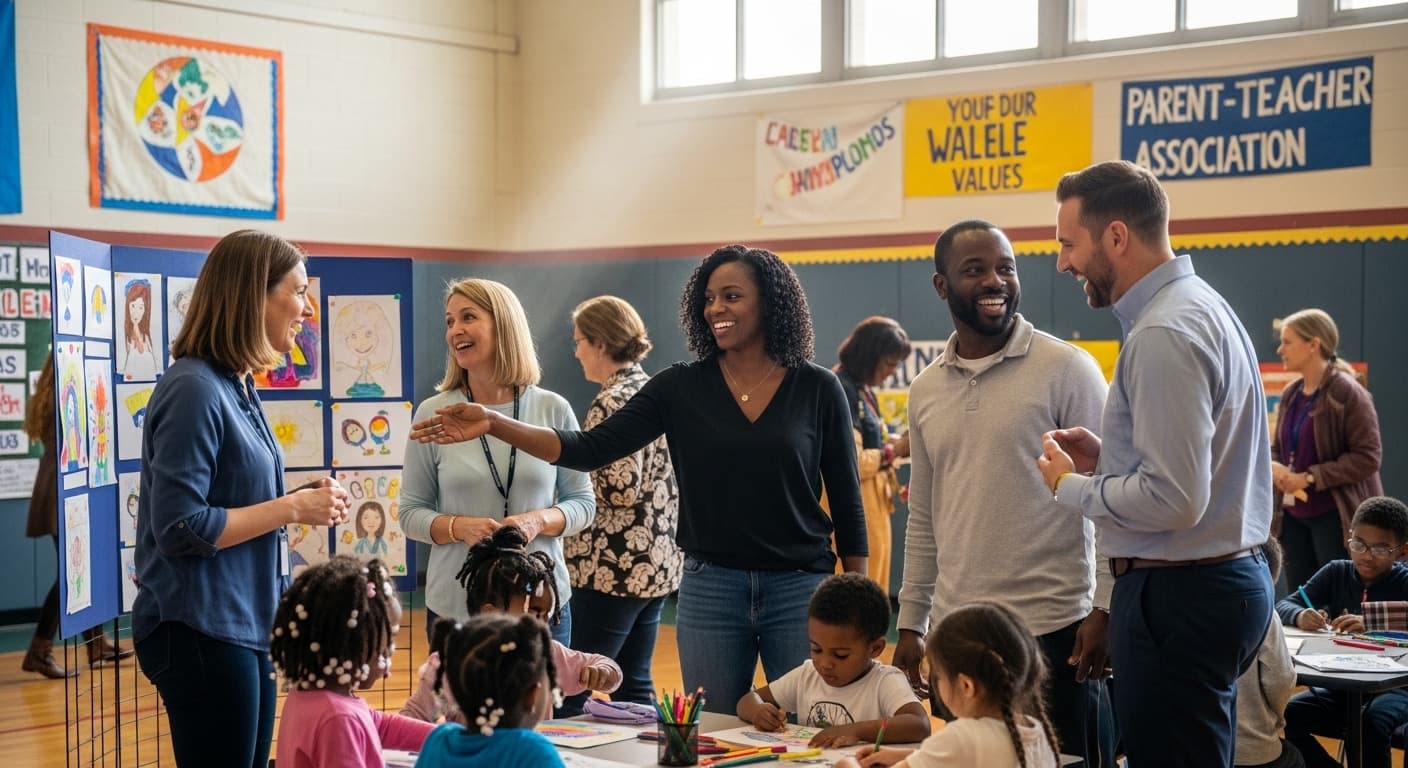
For many families raising children in the UK, identity can be complex and always changing, especially for children growing up between cultures. As parents, we often ask ourselves: How can we help our child feel secure in who they are, especially when they may not always see themselves reflected in society?
This is one of the most important, yet often unspoken, aspects of parenting in a new country.
Living Between Two Worlds
Many migrant children balance two worlds. At home, they are surrounded by familiar languages, values, and traditions. Outside, school and friends introduce them to British culture. This can be a wonderful experience, but it can also be confusing. Some children start to wonder where they truly belong and may feel they are not “enough” of either identity.
Research by The Runnymede Trust shows that personal identity and belonging are important for children from ethnic minority backgrounds. Secure identity builds children's confidence and sense of self.
The Quiet Role Parents Play
As parents, we may not realise how much influence we have. Often, it shows in small daily moments, like what we say, what we celebrate, and what we make space for.
Relating stories from our upbringing, teaching cultural values, and keeping traditions alive help children stay connected to their roots. Equally important is creating space for their experiences here in the UK.
Identity is not something we hand over fully formed. It is something children grow into over time. Our role is to guide them gently, without making them choose between cultures.
When Belonging Feels Uncertain
Children may sometimes feel different, left out, or misunderstood. These experiences, whether small or obvious, shape how they see themselves.
According to the UK Department for Education, a strong feeling of belonging is closely linked to a child’s emotional mental health and performance in school. When children feel accepted and valued, they are more inclined to thrive.
Representation and community are important. When children see others who look like them or share similar experiences, it helps them feel part of a community.
Helping Children Feel Grounded
Supporting your child’s identity does not need grand gestures. Often, it is about being consistent and intentional:
• Affirm who they are and where they come from
• Encourage pride in their background
• Allow them to express their views freely
• Expose them to different and positive role models
Over time, these actions help build something powerful: a confident child who can move between different spaces without losing who they are.
Establishing a Sense of Home
For many migrant families, “home” is more than just a physical place. It is something we create on purpose.
Home can be found in the meals we cook, the music we play, or the values we keep. It can also be in the new traditions we create together as a family.
Migration Observatory research shows that strong family and community relationships help children adjust and feel settled in a new country.
Conclusion
The question “Who am I here?” may not always have a clear answer, and that is okay. For children growing up between cultures, identity can feel complicated, but it can also become a strength. With the right support, they can embrace both where they come from and where they are now.
As parents, our goal is to make sure our children feel valued, supported, and proud of who they are becoming. This helps them build a strong sense of self.
Want to know more? Click here: www.mychildandme.uk.
Tags
Enjoyed this post?
Discover more insights and join our community of parents supporting each other.