Why Many Parents Struggle to Talk About Mental Health
Talking about mental health remains difficult for many parents. Understanding the reasons behind this silence can help families build stronger relationships, reduce stigma, and create safe spaces where children feel heard and supported.
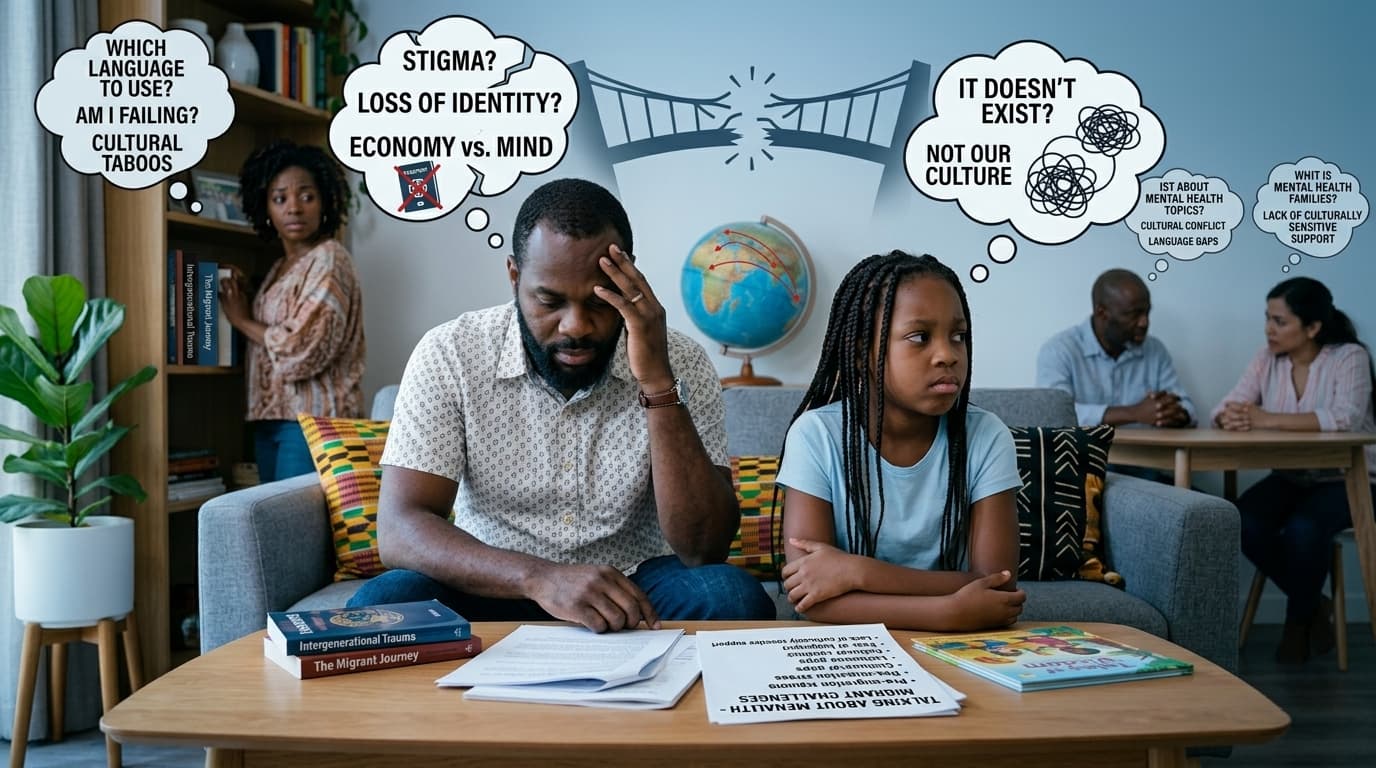
Parents want to protect their children. They teach them to eat well, stay safe, and work hard. Still, many families find it hard to talk openly about mental health, often because these conversations feel new or tough to begin.
This silence usually does not mean parents do not care. It often comes from uncertainty, cultural beliefs, stigma, or just not knowing how to start. This can make honest conversations even harder.
The Burden of Stigma
Many adults did not talk about mental health when they were growing up. Emotions were often brushed aside with phrases like "be strong," "stop crying," or "you'll get over it." Because of this, many parents grew up without the words or confidence to talk about mental health.
UNICEF's State of the World's Children 2021 highlights that stigma remains one of the biggest barriers preventing children, young people, and caregivers from asking for help or talking openly about mental health. The report calls for societies to "break the silence" surrounding mental health through greater understanding and communication.
Parents Are Under Pressure Too
Many parents have their own emotional struggles. Money worries, work, family duties, and wanting to be good parents can leave little time to think about their own well-being.
Studies show that parental stress is high in many countries. When parents feel worn out, talking about mental health can seem too much instead of helpful. Children often notice this and may be less likely to share their worries. (NIH)
Fear of Saying the Wrong Thing
Some parents worry that talking about anxiety, depression, or emotional struggles might make things worse or give children new worries. But mental health experts say it is better to have age-appropriate talks, since being open helps more than staying silent.
Listening without judging, asking open questions, and valuing a child's feelings can build trust and resilience. Parents do not need to have all the answers; they just need to make a safe space for talking.
Why These Conversations Matter
Mental health challenges often begin early in life. According to the World Health Organisation and UNICEF, around one in seven children and adolescents aged 10–19 lives with a mental health condition, while half of all mental health conditions begin before the age of 18. Early conversations and timely support can have a major effect in a child's well-being and long-term development.
Children who feel heard are more likely to ask for help when they have problems. They also learn that emotions are a normal part of life, not something to hide or fear.
Building a Family Culture of Openness
You do not have to be a perfect parent to build an emotionally healthy family. What matters is having real conversations that make mental health a normal part of family life.
Begin by asking simple questions like, "How are you really feeling today?" Share your own feelings in healthy ways. Listen more than you talk. Let children know that every emotion is okay, even the hard ones.
Most importantly, remind them that asking for help shows strength, not weakness.
When parents are open, children learn that mental health is just as important as physical health. These daily talks help build trust, resilience, and stronger family bonds that can last a lifetime.
For more resources, visit: www.mychildandme.uk and www.parentskills2go.org.
Tags
Enjoyed this post?
Discover more insights and join our community of parents supporting each other.