Why Mental Health Conversations Are Still Difficult in African Migrant Families
Mental health awareness is growing, yet many African migrant families still struggle to speak openly about emotional well-being. Cultural expectations, stigma, migration pressures, and generational differences continue to shape these conversations. This article explores the barriers and the urgent need for change.
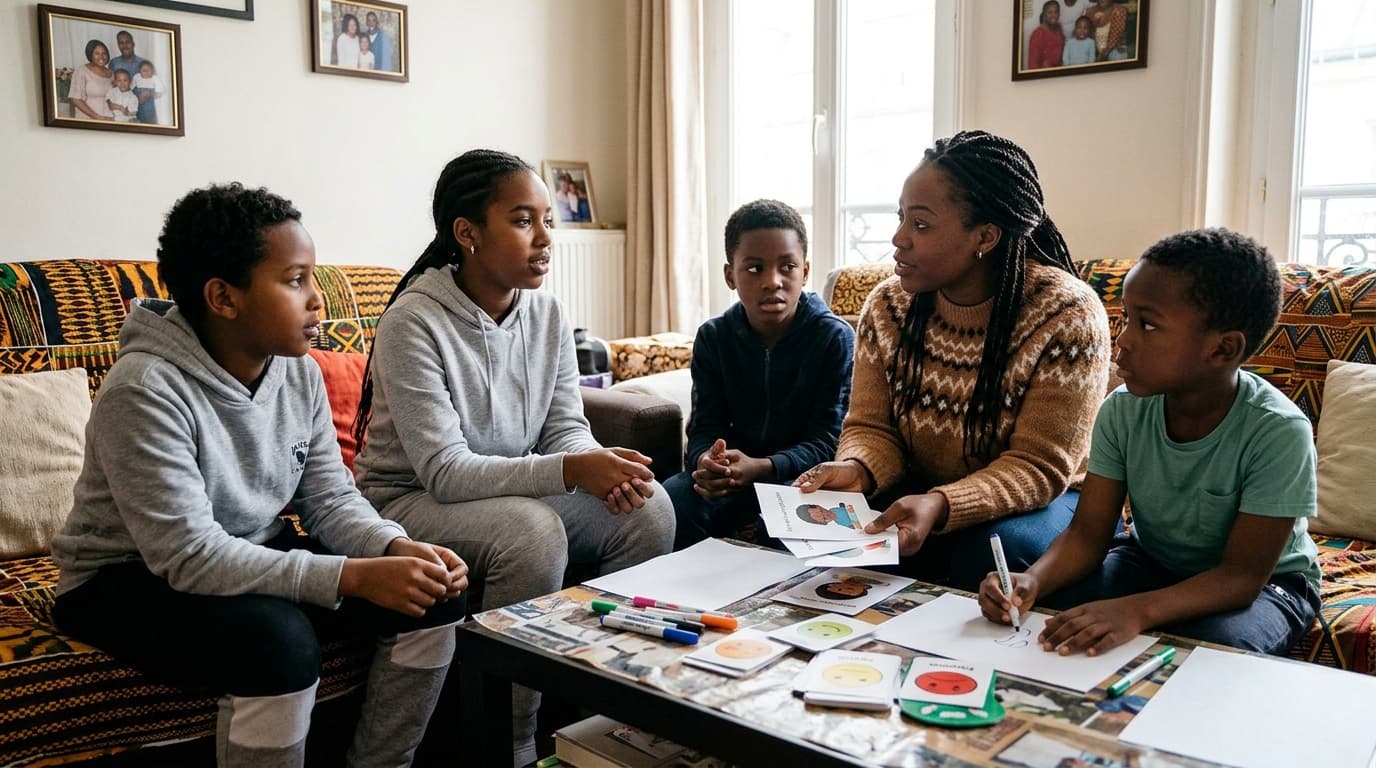
For many African migrant families, migration represents hope, sacrifice, and better opportunities. Yet beneath stories of resilience and success are emotional struggles that often remain hidden behind silence, cultural expectations, and fear of judgement.
Even though people talk more about mental health around the world, it is still hard to discuss anxiety, depression, trauma, burnout, and emotional well-being in many African migrant homes. The need to look strong and successful can make it uncomfortable or even unacceptable to show vulnerability.
The Culture of Silence Around Emotional Struggles
In many African families, being emotionally strong is important. Children are often taught to handle tough times quietly, respect authority, and not talk about personal struggles outside the family.
For migrant parents who have faced poverty, instability, or tough journeys, survival often comes before emotional well-being. Because of this, talking about mental health can be seen as unnecessary, exaggerated, or not part of their culture.
People often say things like “just pray about it,” “be strong,” or “don’t bring shame to the family.” These responses can make it harder to talk openly. In some communities, therapy is still linked to serious mental illness or seen as a weakness.
Migration Stress and Emotional Pressure
Moving to a new country can be emotionally tough. Many African migrant families deal with money problems, loneliness, discrimination, unstable jobs, housing issues, and the stress of getting used to new systems and cultures.
Parents often carry the burden of supporting relatives back home while trying to build stability abroad. Children and teenagers may face identity struggles as they navigate the expectations of their family alongside the culture of the country they live in.
Trying to balance these pressures can cause emotional tension at home. Young people may want to talk about mental health, but older generations might see these conversations as disrespectful, unnecessary, or influenced by Western ideas.
Fear of Judgement Within the Community
Community reputation matters a lot in many African migrant families. Worries about gossip, shame, or being judged often stop people from talking openly about their emotional struggles.
Some families worry that talking about mental health problems could hurt marriage prospects, social status, or how others see them. Because of this, emotional struggles are often hidden instead of being dealt with.
Young people, especially those born or raised in another country, may feel alone when they try to talk about anxiety, identity struggles, trauma, or neurodiversity with families who are not used to mental health language or support systems.
A New Generation Is Changing the Narrative
Even with these challenges, things are starting to change in African diaspora communities.
More young Africans in the diaspora are talking openly about therapy, emotional healing, neurodiversity, and trauma through social media, community groups, schools, faith groups, and advocacy. Parents are also starting to look at more emotionally aware and culturally sensitive ways to parent and support well-being.
Talking about mental health in African migrant families can still be hard, but it is no longer impossible.
Building healthier families starts with making safe spaces where being vulnerable is seen as normal, not as a weakness. The more families talk openly about emotional well-being, the easier it will be for future generations to get help without fear, shame, or silence.
Want to find out more? Click on the link: www.mychildandme.uk
Tags
Enjoyed this post?
Discover more insights and join our community of parents supporting each other.