Young People and the Law: Why Early Legal Education Matters
Legal education shouldn't begin when a young person gets into trouble. Understanding rights, responsibilities and where to seek help can empower young people and help prevent problems before they escalate.
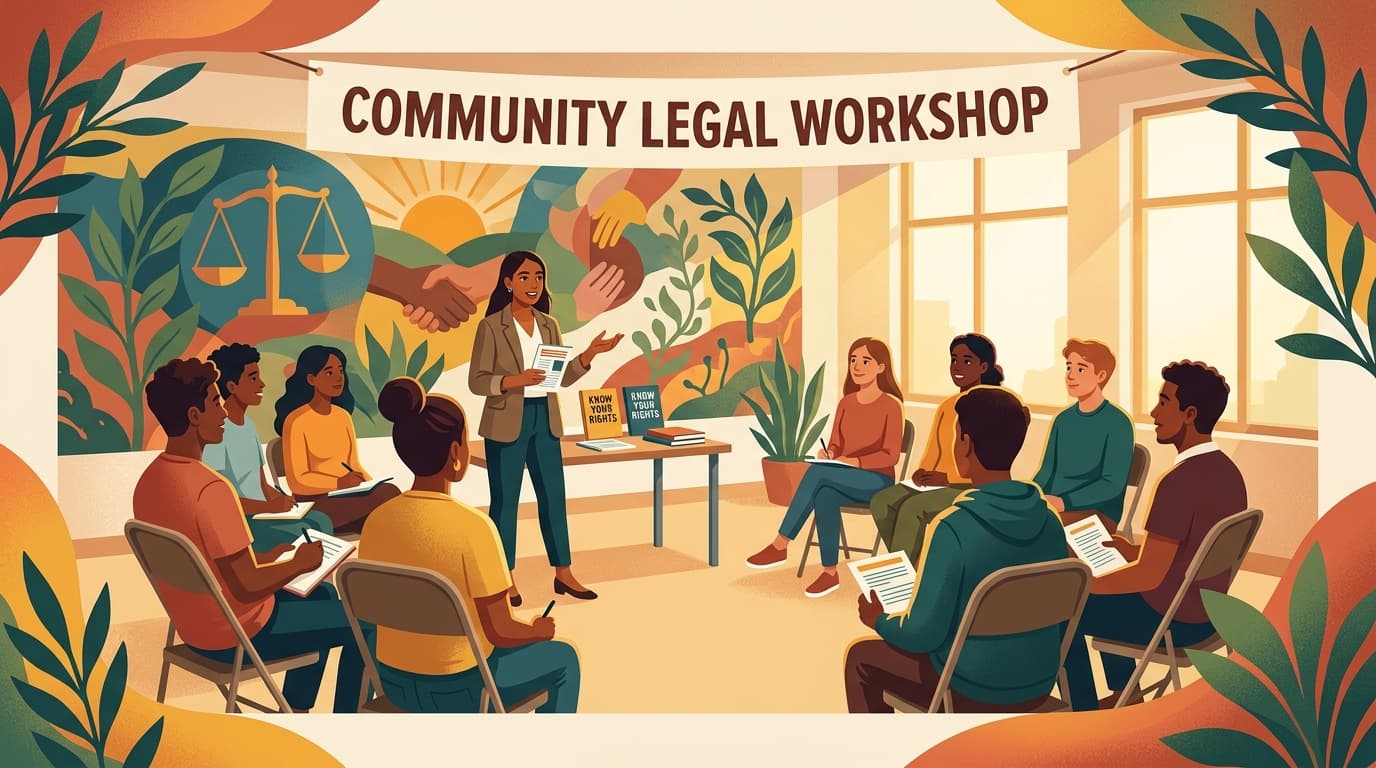
You should know your rights even before something goes wrong
For many young people, the law seems distant, complex, and frightening; they may link it to courts, the police, or serious trouble. However, legal education is not only about what happens after a problem arises; it also helps young people understand their rights, responsibilities, and options before they face difficult situations.
Young people come across the law every day
Before they become adults, young people encounter systems governed by laws and regulations in areas such as school rules and online behaviour, employment, discrimination, relationships, policing, and housing.
But how many people actually know their rights?
The most recent Youth Justice Statistics for England and Wales indicate that over 8,100 children entered the youth justice system for the first time in 2024, the lowest number ever recorded. Approximately 13,300 children were cautioned or sentenced during the year ending March 2025. (GOV.UK)
These numbers are not a reason to frighten young people about the law; instead, they show the importance of early education, prevention, and access to support.
Knowledge can help avoid problems
A young person who knows their rights will be better placed to spot unfairness, oppose inappropriate behaviour, get advice, or ask for help.
Legal education can also help young people understand their responsibilities. Knowing something is wrong is not the same as understanding why it is wrong and what the possible consequences might be.
It is essential that early legal education not seek to make every young person a legal expert, but rather that it provides them with useful knowledge, such as who they can turn to, what their rights are, what they should do if the police stop them, what discrimination means, what will happen if they are accused of something, and where they can obtain independent advice.
It is better to take preventive action than to intervene
The youth justice system is becoming more aware that early intervention and diversion can make a difference. Statistics released by the new Youth Justice Board for 2025 show that 43% of youth justice outcomes were settled without any caution being given to the young person or without going to court, showing a continued commitment to early, strengths-based support. (GOV.UK)
A vital lesson for parents, educators, and communities is that we must begin discussing young people's rights and duties before they come into contact with the justice system.
This topic is especially important for migrant and diaspora families. Parents may not be familiar with parts of the legal system in the country where their children are growing up, while young people must navigate different expectations at home, at school, and in wider society.
Legal knowledge serves as a means of empowerment
Every young person should know that the law is not merely something that happens to them; it also protects them.
Parents, schools, community organisations, and youth programmes can help ensure legal education is accessible, practical, and age-appropriate.
The more you know about your rights, the more confident you will become. The more you understand your responsibilities, the better your decisions will be. And in some cases, knowing where to get help can stop a difficult situation from turning into a crisis.
Young people ought to receive legal education well before they need a lawyer.
Visit https://parentskills2go.org/services to find out more about ParentSkills2Go Community Law Hub.
Tags
Enjoyed this post?
Discover more insights and join our community of parents supporting each other.